
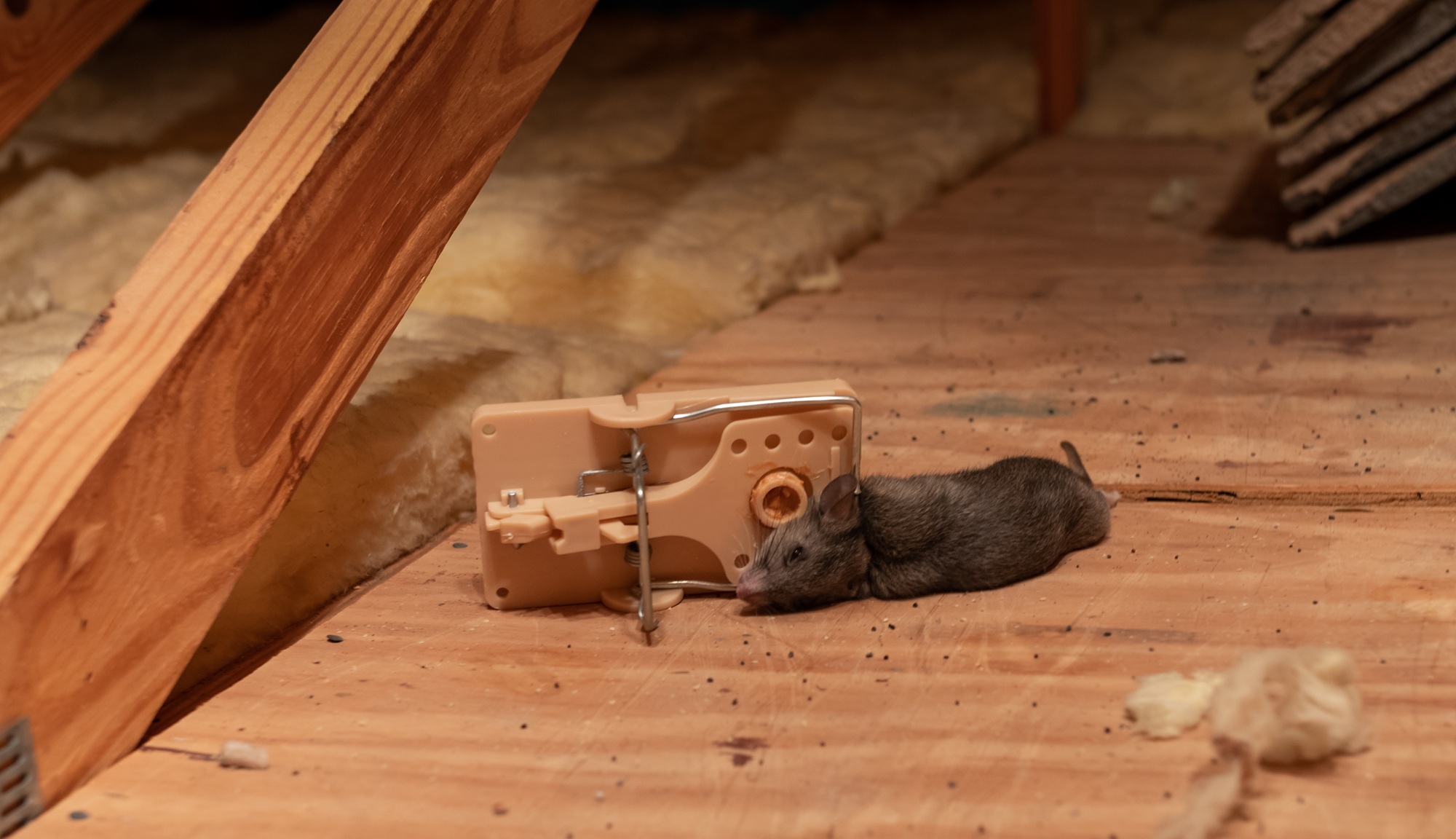
Why Correct Species Identification is the Foundation of Effective Rat Control
Not all rats behave the same, and treating them as if they do is one of the fastest ways to fail. In Dallas, successful rodent control starts with knowing exactly which species you’re dealing with and how it lives. A professional rat exterminator in Dallas TX doesn’t rely on guesswork or generic traps. Instead, they identify whether roof rats or Norway rats are present, then tailor control strategies to match their habits, nesting zones, and travel patterns. Buzz Kill Pest Control uses this targeted approach to stop infestations at the source rather than chasing symptoms.
A professional rat exterminator differentiates between roof rats and Norway rats by analyzing droppings, nesting locations, gnawing damage, and travel behavior. Accurate identification allows targeted trapping, exclusion, and habitat modification that prevents reinfestation and delivers long-term rodent control.
Why Species Identification Changes Everything in Rat Control
Rats may look similar at a glance, but roof rats and Norway rats live very different lives. Treating them the same leads to missed nests, wasted traps, and recurring infestations.
Homeowners often ask, Why didn’t the last treatment work? In many cases, the wrong species was targeted. A rat exterminator starts by understanding behavior before deploying any control measures.
How Roof Rats and Norway Rats Behave Differently
Roof rats prefer elevated areas like attics, rafters, and trees. Norway rats stay low, nesting in crawl spaces, basements, and ground burrows. In Dallas-Fort Worth, climate and weather patterns allow both species to thrive, sometimes even on the same property.
Correct identification determines where traps go, how exclusion techniques are applied, and which entry points matter most.
The Most Common Mistakes When Treating Rat Infestations
Rodent problems linger when early assumptions replace proper inspection.
Assuming All Rats Nest Indoors
Roof rats often nest outdoors in dense vegetation before entering structures. Missing these nesting materials leads to incomplete control.
Placing Traps in the Wrong Locations
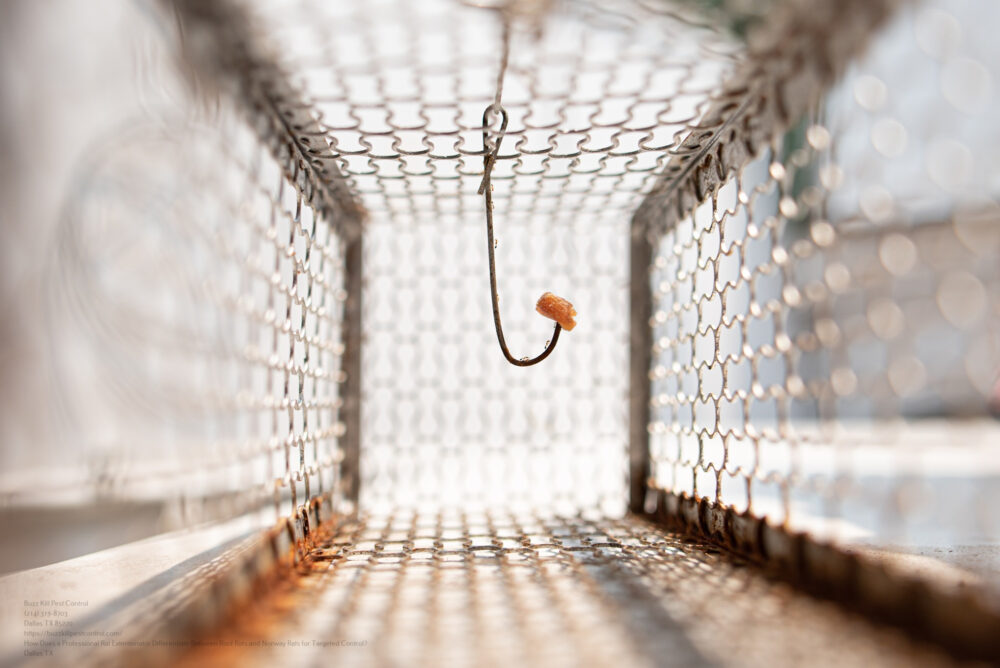
Norway rats rarely climb. Roof rats rarely stay on the ground. Misplaced rat traps or bait stations reduce capture rates.
Ignoring Entry Points
Gaps along rooflines invite roof rats, while foundation cracks attract Norway rats. Without entry prevention, removal efforts stall.
Misreading Droppings and Smudge Marks
Dropping size, shape, and placement reveal species. Smudge marks and gnawing damage show travel routes, but they’re often overlooked.
Skipping Professional Inspection Tools
According to the Centers for Disease Control and Prevention, effective rodent control requires species identification, exclusion, sanitation, and monitoring together, not in isolation.
Buzz Kill Pest Control avoids these issues by following a structured pest management service process that starts with accurate species diagnosis.
Need Reliable Pest Removal or Preventive Treatments?
Contact Buzz Kill Pest Control today for fast, professional service.
Why Differentiating Rats Protects Health and Property
Rodent infestations aren’t just inconvenient. They’re dangerous.
Reducing Health Risks
Rats spread disease through droppings, urine, and contaminated food. Knowing the species helps control disease transmission more effectively.
Preventing Structural Damage
Roof rats chew wiring and insulation in attics. Norway rats undermine foundations and damage lower structural areas. Both cause costly property damage when unchecked.
Stopping Colony Growth
Species-specific nesting habits affect reproduction rates. Targeted control prevents colony-level expansion.
With extensive experience in rodent control Dallas properties, Buzz Kill Pest Control applies species-based strategies that protect both homes and businesses.
How Professionals Differentiate Roof Rats from Norway Rats
Experienced exterminators rely on patterns, not appearances.
Key Identification Indicators
- Nesting Location: Attics suggest roof rats; ground-level voids suggest Norway rats.
- Droppings: Roof rat droppings are spindle-shaped; Norway rat droppings are blunt.
- Gnawing Damage: Elevated wiring damage points to roof rats.
- Travel Routes: Smudge marks along beams indicate roof rats; wall-floor edges suggest Norway rats.
- Food Sources: Roof rats prefer fruits and grains; Norway rats favor meat and garbage.
These details guide trapping and removal placement for maximum efficiency.
Expert Insight: Why Mixed Infestations are More Common Than You Think
In Dallas, properties sometimes host both species. This complicates control efforts.
At Buzz Kill Pest Control, technicians occasionally discover roof rats in attics and Norway rats below. Without dual-species strategies, one population survives and repopulates the structure.
A practical takeaway? When activity seems to shift locations, it may not be movement—it may be a second species.
Key Takeaways for Targeted Rat Control in Dallas TX
Effective rodent control depends on precision, not guesswork. In a dense, fast-growing area like Dallas TX, rats adapt quickly to pressure, construction changes, and seasonal shifts. A successful control program must be built on accurate identification, strategic execution, and ongoing adjustment rather than one-size-fits-all solutions.
Targeted rat control works best when professionals understand how rodents think, move, and exploit structures. Every infestation leaves behind patterns—entry behavior, nesting preferences, and feeding habits—that guide smarter decisions. Ignoring those patterns leads to temporary relief at best and repeated infestations at worst.
Before any treatment begins, professionals focus on correctly identifying the problem and tailoring every step to what’s actually happening on the property. Each of the following actions plays a critical role in long-term prevention rather than short-term suppression.
- Identify the exact rodent species: Not all rats behave the same way, and mistaking one species for another can derail an entire treatment plan. Roof rats, Norway rats, and mice differ in nesting locations, travel routes, and feeding preferences, so accurate identification determines where control efforts should be concentrated.
- Match traps and baits to behavior: Rats are cautious by nature and quickly learn to avoid unfamiliar objects. Effective control requires selecting trap types, bait formulations, and placement strategies that align with the rodent’s established movement patterns and feeding habits, increasing capture rates while reducing avoidance.
- Seal species-specific entry points: Rats exploit different structural weaknesses depending on their size and climbing ability. A targeted approach focuses on sealing the exact entry and exit points being used—such as rooflines, utility penetrations, crawl spaces, or foundation gaps—rather than applying generic exclusion methods that leave vulnerabilities behind.
- Use integrated pest management principles: Long-term success relies on combining trapping, exclusion, sanitation, and environmental adjustments into a coordinated plan. Integrated pest management emphasizes monitoring and prevention, ensuring that population reduction doesn’t create a vacuum that new rodents quickly fill.
- Adapt strategies to Dallas climate conditions: Seasonal heat, sudden cold snaps, and heavy rainfall all influence rodent behavior in Dallas TX. Effective programs adjust timing, placement, and materials to account for climate-driven movement patterns, such as increased indoor activity during extreme temperatures or nesting shifts after storms.
When these steps align, reinfestation becomes far less likely. Instead of chasing recurring rodent problems, property owners benefit from a controlled, proactive system that addresses both the current infestation and the conditions that allowed it to develop in the first place.
Why Choosing Buzz Kill Pest Control is the Smart Choice
We at Buzz Kill Pest Control provide the best solutions to our customers by identifying the exact rodent species before treatment begins. Our approach combines detailed inspections, humane trapping, exclusion techniques, and long-term rodent prevention strategies that stop infestations at their source.
We showcase our excellent services through professional rat control, responsive customer service, and advanced pest management methods designed for Dallas properties. If rats are threatening your home or business, don’t settle for guesswork. Contact Buzz Kill Pest Control for an expert rat exterminator in Dallas TX, and secure lasting protection with us today.
Need Reliable Pest Removal or Preventive Treatments?
Contact Buzz Kill Pest Control today for fast, professional service.