
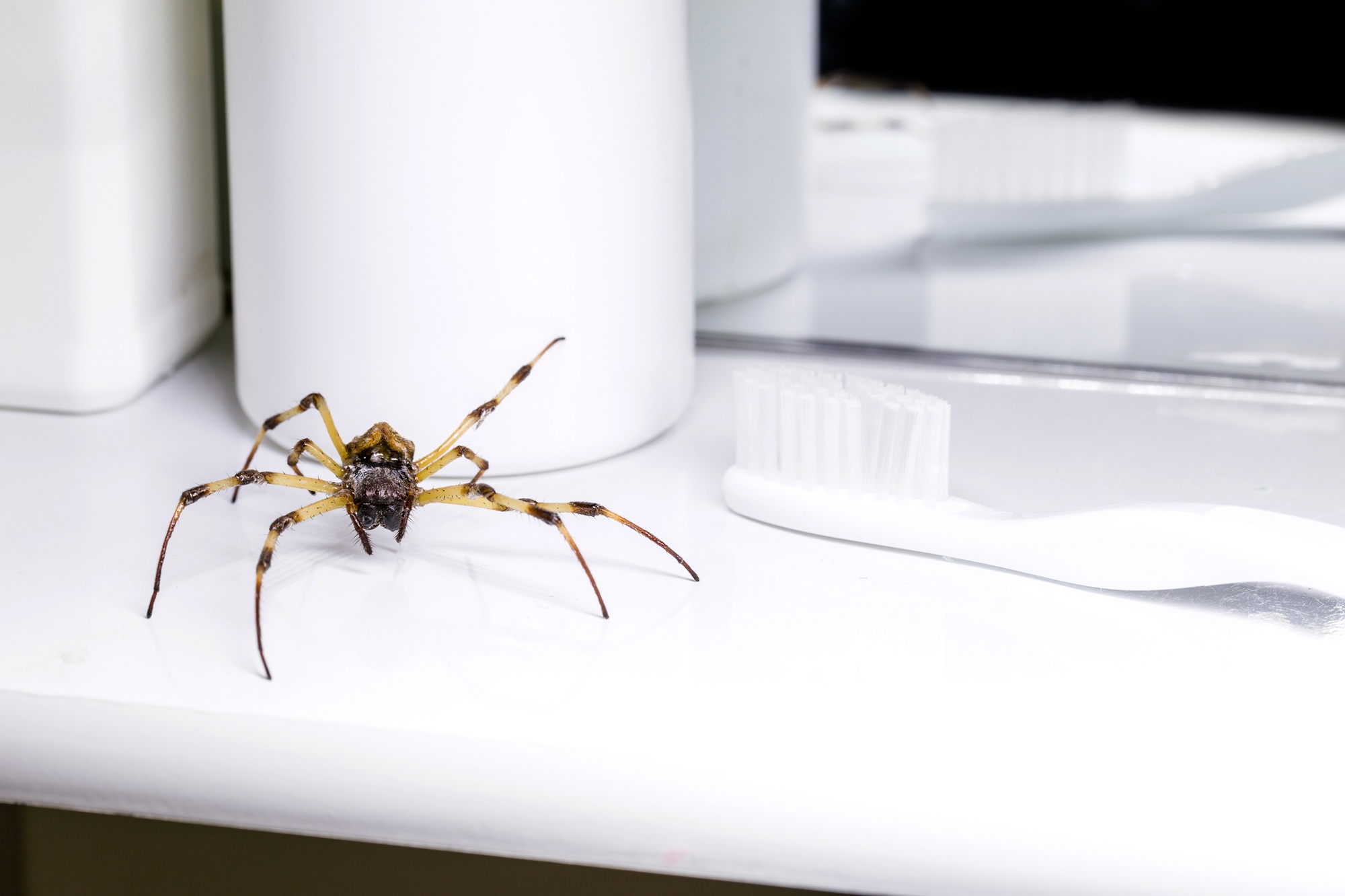
Why Tiny Environmental Differences can Completely Change Pest Behavior
Most people assume a pest problem affects an entire property the same way. In reality, pests respond to small environmental variations—shade, moisture, heat, airflow, and vegetation—that create unique microclimates across different parts of a home or building. In the Dallas Metro Area, where temperature swings and humidity shifts happen quickly, professional services for pest control in Dallas TX must adjust treatment strategies to match those subtle differences.
Buzz Kill Pest Control approaches pest management by studying how pests interact with specific environments around a structure. Instead of applying one uniform treatment, technicians tailor solutions to the conditions in each zone of a property.
Modern pest control adapts treatments to property microclimates by analyzing temperature, moisture, sunlight exposure, and structural features in different areas, allowing technicians to apply targeted treatments where pests are most likely to thrive.
How Pest Control Professionals Identify Microclimates Around a Property
Microclimates are small pockets of environmental conditions that differ from the surrounding area. A shaded backyard corner may stay cooler and damper than the front yard. A crawl space might hold moisture even when the outside air is dry.
Professional pest control providers understand that these subtle changes influence pest activity. Fire ants may thrive in sun-exposed soil, while carpenter ants often prefer damp wooden areas. Roof rats look for warm attic spaces, while American cockroaches seek dark and humid environments.
Why Do Microclimates Matter for Pest Behavior?
Each pest species responds differently to temperature, moisture, and shelter availability. A home in Dallas, TX might host several microhabitats simultaneously—mulch beds that attract insects, drainage zones that harbor mosquitoes, and attic spaces that invite rodents.
People Often Ask: Do Microclimates Really Affect Pest Infestations?
Yes. Microclimates can determine where pests nest, feed, and reproduce. That’s why modern pest management solutions must adapt treatment protocols to specific environmental conditions rather than relying on a single blanket approach.
Common Mistakes Homeowners Make When Ignoring Microclimates
Many property owners treat pest problems as isolated incidents rather than environmental patterns. Buzz Kill Pest Control frequently sees pest infestations worsen because microclimate factors were overlooked.
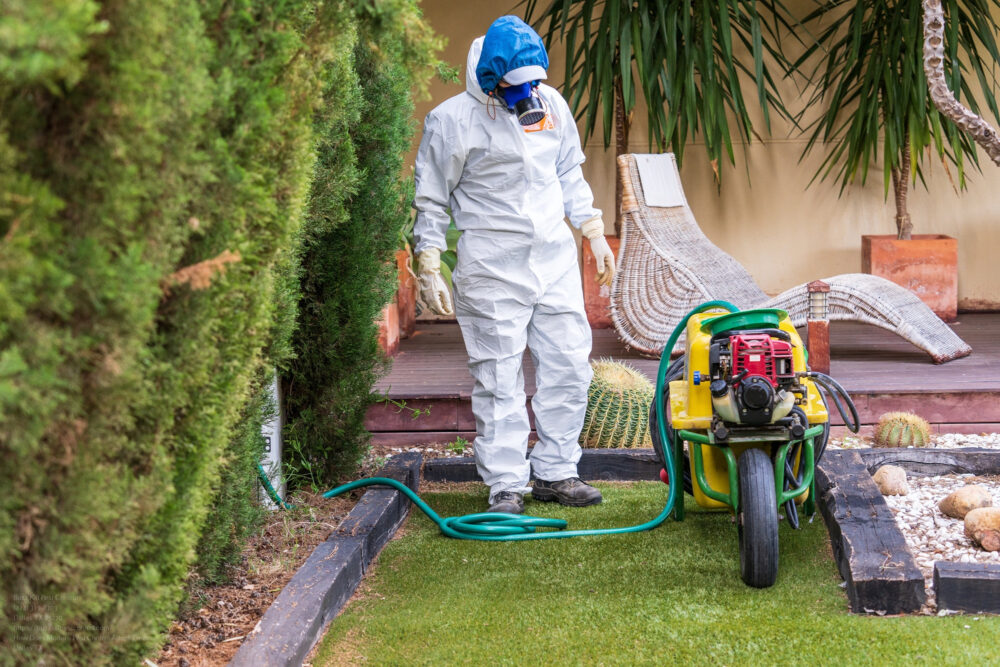
One common mistake is treating only the interior of the home while ignoring outdoor conditions. Areas with dense vegetation, irrigation runoff, or shaded soil create ideal breeding grounds for pests like mosquitoes and ants. Another mistake is assuming pests appear randomly without recognizing that moisture zones or structural heat pockets attract them consistently.
Some homeowners also attempt DIY treatments that disrupt pest activity temporarily without addressing environmental causes. According to the Environmental Protection Agency, integrated pest management strategies that consider environmental factors significantly improve pest control outcomes while reducing unnecessary pesticide use.
Ignoring these microclimates can allow pest activity to continue even after treatments appear successful.
Need Professional Pest Control Services?
Contact Buzz Kill Pest Control today and protect your property with confidence.
Why Microclimate-Based Pest Control Improves Long-Term Results
Targeting microclimates allows pest specialists to treat problems precisely rather than applying generalized treatments across an entire property. That precision improves effectiveness and reduces unnecessary product use.
Professional pest control services benefit property owners in several ways. First, treatments can focus on high-risk areas such as shaded landscape beds, irrigation zones, or attic insulation where pests thrive. Second, monitoring becomes more accurate when technicians understand where pest populations are likely to develop.
Buzz Kill Pest Control brings experience in both residential pest control and commercial pest control, allowing technicians to recognize patterns unique to North Texas properties. These insights help prevent recurring infestations while supporting safer and more environmentally responsible pest management.
Smart Pest Control Strategies That Adapt to Property Microclimates
Modern pest control professionals rely on observation, data, and experience to determine how microclimates influence pest behavior. Each property is treated as a network of environmental zones rather than a single environment.
Technicians typically follow several steps when adapting pest control protocols:
- Identify moisture zones such as irrigation lines, drainage areas, and shaded soil
- Evaluate structural heat pockets in attics, garages, and crawl spaces
- Analyze vegetation density and landscaping features that attract insects
These observations guide treatment options, including barrier applications, targeted treatments, and environmental adjustments. For example, mosquito control strategies often focus on shaded water-holding areas, while ant species such as Argentine ants may require perimeter treatments near vegetation lines.
Expert Insight: Why Local Experience Matters in Dallas Pest Control
Microclimates vary not only across a property but across entire neighborhoods. Homes in Cedar Hill may experience different pest challenges than properties closer to downtown Dallas or suburban developments.
Buzz Kill Pest Control technicians understand how North Texas climate patterns influence pest activity. Long dry periods can drive drought-driven ant invasions, while humid conditions encourage mosquito breeding and termite activity.
One practical takeaway for property owners is to pay attention to environmental changes. A new irrigation system, landscaping update, or structural addition can create a new microclimate that attracts pests unexpectedly.
Understanding those changes early allows pest specialists to adapt treatments before infestations escalate.
Practical Takeaways for Microclimate-Based Pest Control
Modern pest control is no longer about applying a single treatment everywhere. Instead, it focuses on environmental precision.
Key takeaways include:
- Microclimates influence where pests nest and reproduce
- Targeted treatments improve efficiency and reduce repeated infestations
- Professional inspections identify environmental risks homeowners often miss
For property owners seeking dependable pest control in Dallas TX, microclimate-based strategies provide smarter protection and more consistent results.
Why Choosing Buzz Kill Pest Control is the Smart Long-Term Decision
We at Buzz Kill Pest Control provide the best solutions to our customers by understanding how pests interact with the environment around your home or business. Our approach focuses on identifying microclimates, targeting high-risk zones, and delivering customized pest management solutions that prevent infestations from returning.
We proudly provide thorough inspections, environmentally responsible treatments, and dependable customer service for both residential and commercial properties. Our team works hard to deliver pest protection that adapts to the unique conditions of every property.
Contact Buzz Kill Pest Control for expert pest solutions and experience the difference professional pest control in Dallas TX can make.
Need Professional Pest Control Services?
Contact Buzz Kill Pest Control today and protect your property with confidence.