
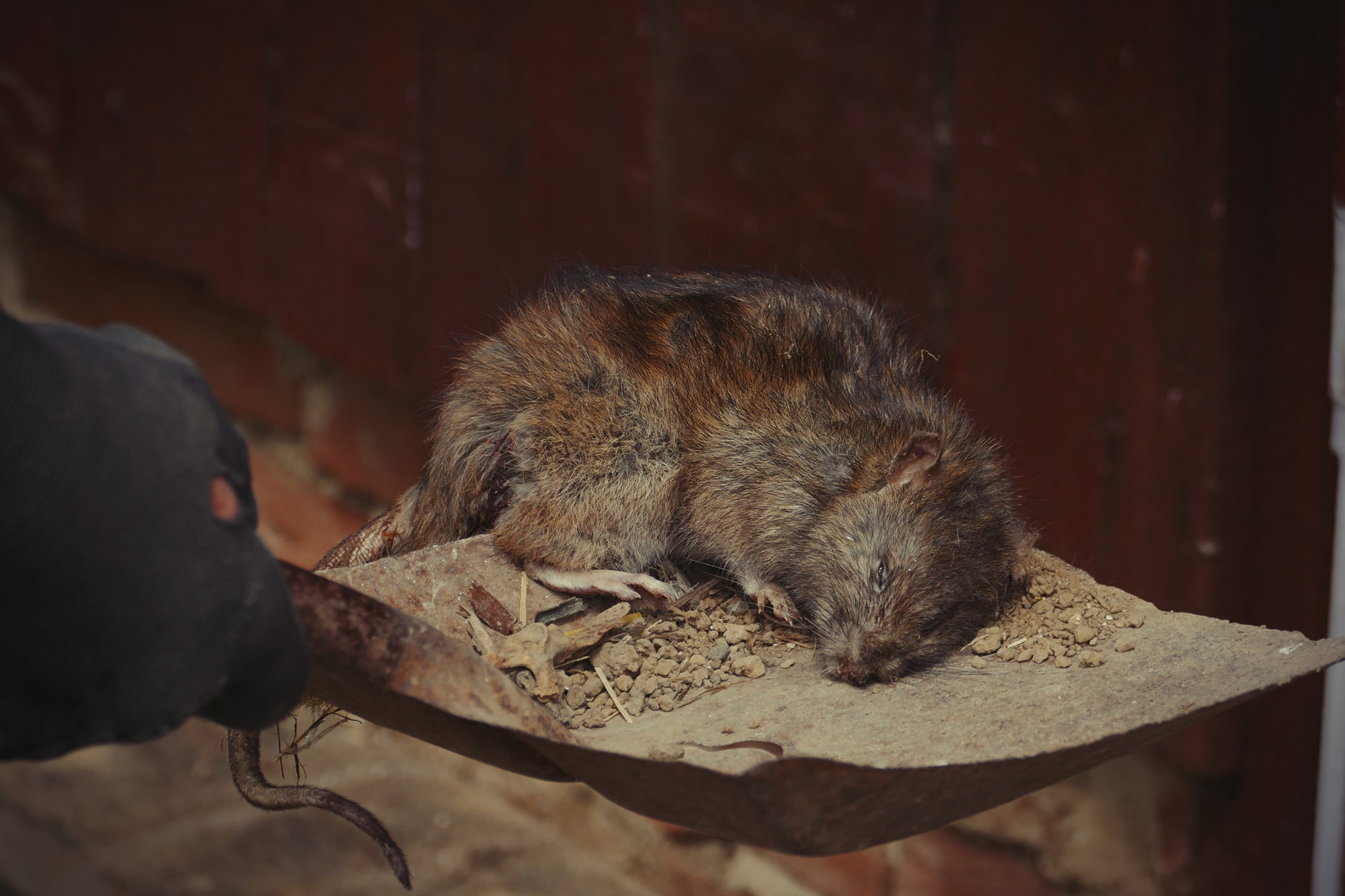
The Hidden Gaps Rats Use To Return and How Professionals Close Them For Good
Rats don’t disappear just because traps are set or bait boxes are placed. If the structure still offers access, they come back—quietly, persistently, and often unnoticed until the problem starts all over again. That’s why effective rat exterminator in Fort Worth TX services go beyond population reduction and focus on stopping re-entry at the source. Buzz Kill Pest Control approaches rodent problems by identifying structural weak points that rats exploit before, during, and after treatment.
A professional rat exterminator prevents re-entry by identifying structural weak points such as foundation gaps, utility penetrations, roofline openings, crawl space vents, and damaged exterior walls. By sealing entry and exit points after treatment, pest technicians stop rats from accessing shelter, food, and nesting areas again.
Why Structural Weak Points Matter More Than Traps in Fort Worth Homes
Rats are not accidental invaders. They’re calculated.
In Fort Worth, rats and mice exploit small structural flaws caused by soil movement, aging materials, construction gaps, and weather exposure. Norway rats, in particular, are powerful burrowers and climbers capable of squeezing through openings as small as a quarter. Once they locate an access point, they memorize it.
A common People Also Ask question is, Why do rats come back after extermination? The answer is simple. The building still lets them in.
Effective rodent control begins with understanding how rats move through a structure. They follow consistent entry and exit points, often leaving smudge marks, gnaw marks, and nesting materials behind. Without sealing these access routes, even the best trapping program becomes temporary.
That’s why rat exterminating professionals treat structures as carefully as they treat the rodents themselves.
Common Structural Mistakes That Allow Rats to Re-Enter
Most rodent infestations persist because structural vulnerabilities are overlooked.

One of the most common mistakes is ignoring foundation gaps. Cracks where slabs meet walls, expansion joints, and settling damage create perfect access routes. Rats widen these gaps over time, causing structural damage that worsens the problem.
Roofline vulnerabilities are another major issue. Damaged fascia boards, soffits, and roof vents allow rats to enter attic spaces undetected. From there, they access insulation, electric wires, and plumbing systems.
Crawl spaces are frequently ignored as well. Broken vent covers, missing screens, and soil contact with siding provide direct access to interior voids. Once inside, rats establish nests using insulation and debris.
Homeowners also underestimate utility penetrations. Openings around plumbing, HVAC lines, and cable entry points often lack proper sealing. These areas become reliable entry and exit points for rodents.
According to the Centers for Disease Control and Prevention, sealing structural entry points is one of the most effective ways to reduce rodent infestations and disease transmission.
Buzz Kill Pest Control helps clients avoid these mistakes by combining rat exterminator services with exclusion and rodent-proofing strategies that close the door behind the treatment.
Looking for Professional Rat Exterminator Services That Prevent Re-Entry?
Contact Buzz Kill Pest Control today and protect your property with confidence.
Why Identifying Weak Points Protects Health and Property
Rats are more than a nuisance. They’re disease-ridden creatures capable of causing serious harm.
Rodent infestations increase health risks through contamination, disease transmission, and parasite spread. Rats contaminate food, surfaces, and air quality with droppings and urine. They also chew relentlessly, damaging electrical wiring and increasing fire risk.
From a property standpoint, unchecked entry points lead to escalating costs. Rats gnaw through wood, plastic, and even soft metals. Over time, small access points become large structural repairs.
One Fort Worth homeowner experienced repeated rodent problems despite multiple trapping efforts. A thorough inspection revealed gaps around the plumbing system and damaged exterior walls near a crawl space. Once these weak points were sealed using steel wire mesh and durable materials, rodent activity stopped entirely.
This is why professional pest control services emphasize exclusion as much as extermination.
How a Rat Exterminator Locates and Secures Entry Points
Professional rodent control is systematic, not reactive.
Pest technicians begin with a detailed pest inspection focused on perimeter areas, crawl spaces, rooflines, and interior voids. They look for physical signs such as smudge marks, gnaw marks, nests and nesting materials, and damaged building materials.
Advanced methods like smoke testing may be used to identify hidden airflow paths that reveal unseen entry points. These techniques expose gaps that aren’t visible during a basic inspection.
Once access points are identified, a comprehensive plan is developed. This includes sealing gaps with steel wire mesh, repairing damaged materials, installing protective barriers, and reinforcing vulnerable areas. Traps and bait boxes are then placed strategically to address remaining rodent activity.
A professional approach often includes:
- Identifying all entry and exit points used by rats.
- Sealing gaps using durable, rodent-resistant materials.
- Reinforcing crawl space vents and roofline openings.
- Coordinating rodent trapping with exclusion work.
- Monitoring the structure to ensure long-term prevention.
This layered process is why rat exterminator services deliver lasting results instead of short-term relief.
Expert Insight: Why Rats Always Test a Structure After Treatment
Rats don’t give up easily.
After population reduction, surviving rodents instinctively test familiar access points. If even one opening remains, they return. This behavior is driven by memory, scent trails, and established nesting routes.
Buzz Kill Pest Control trains technicians to think beyond removal. Where will rats try next? What materials are most vulnerable? How will seasonal changes affect access points?
A practical takeaway for property owners is vigilance. If scratching sounds return or smudge marks reappear, it’s often a sign of incomplete exclusion. Professional rat exterminator services address this by combining humane wildlife control methods with structural reinforcement.
Key Takeaways For Long-Term Rat Prevention in Fort Worth
Stopping rats requires more than eliminating the current population.
By identifying and securing structural weak points, professional rodent control prevents re-entry, reduces health risks, and protects property value. Integrated pest management strategies ensure treatments are environmentally conscious while remaining highly effective.
For anyone searching for dependable rat exterminator in Fort Worth TX, the most important factor isn’t how many rats are removed—it’s whether they can get back in.
Why Choosing Buzz Kill Pest Control is the Smart Choice for Rat Control
We at Buzz Kill Pest Control provide the best solutions to our customers by combining effective rat exterminator services with thorough exclusion and rodent-proofing. Our approach focuses on identifying entry points, repairing structural vulnerabilities, and implementing a comprehensive plan that prevents re-entry.
We proudly showcase our excellent services through residential rodent control, humane wildlife control methods, and pest management services backed by experienced professionals. Our team uses state-of-the-art techniques and pet-friendly products to protect Fort Worth properties long term.
If you want to solve rodent problems at their source, contact Buzz Kill Pest Control for expert services today. Secure your home or business with proven solutions by a professional rat exterminator in Fort Worth TX that stops rats from coming back.
Looking for Professional Rat Exterminator Services That Prevent Re-Entry?
Contact Buzz Kill Pest Control today and protect your property with confidence.