
Hidden Signs of Termite Activity in Basements and Crawl Spaces
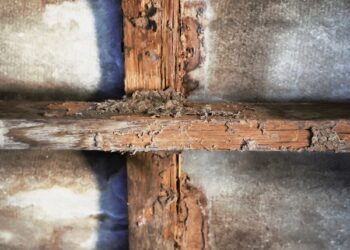
Basements and crawl spaces are prime targets for termites. These areas are dark, damp, and often out of sight, making them the perfect environment for termites to thrive unnoticed. Unfortunately, by the time obvious damage appears upstairs, a termite infestation may already be well established below your home.
Knowing the early signs of termite activity in basements and crawl spaces can help homeowners take action quickly, avoid structural damage, and save thousands in repair costs. Below are the subtle warning signs you should never ignore.
Why Termites Love Basements and Crawl Spaces
Subterranean termites, the most destructive termite species in the U.S., live underground and rely on soil moisture. Basements and crawl spaces provide:
- Easy access to soil
- High humidity and moisture
- Wood framing, sill plates, and support beams
Because these areas are rarely inspected, termites can remain active for months or even years without detection.
Common Signs of Termite Activity to Watch For
1. Mud Tubes on Foundation Walls
One of the most recognizable signs of termites is mud tubes (also called shelter tubes). These pencil-width tunnels are made of soil, saliva, and wood particles and are often found:
- Along the basement walls
- On foundation piers
- Near crawl space vents
Termites use mud tubes to travel between the soil and wood while staying protected from light and air.
2. Hollow or Damaged Wood
Tap exposed wood beams, joists, or sill plates in your basement or crawl space. If the wood sounds hollow or breaks easily, termites may already be feeding inside. Unlike other pests, termites eat wood from the inside out, leaving the surface looking intact.
3. Frass or Termite Droppings
Drywood termites leave behind frass, which looks like small piles of sawdust or sand. While less common in basements, frass near wooden structures or along crawl space floors can indicate active termite colonies.
4. Buckling or Warped Wood
Termite damage can cause wood to warp or blister due to moisture buildup. In basements and crawl spaces, look for:
- Warped floor joists
- Uneven or sagging subfloors
- Cracked or splintering beams
These signs are often mistaken for water damage but may point to termite activity.
5. Discarded Wings Near Windows or Vents
Termite swarmers shed their wings after finding a place to establish a new colony. You may find discarded wings:
- Near the basement windows
- Around crawl space vents
- Along the foundation entry points
Seeing wings indoors is a strong indicator of a nearby infestation.
6. Increased Moisture or Damp Areas
While termites don’t create moisture, they’re attracted to it. Leaky pipes, poor drainage, or condensation in basements and crawl spaces increase termite risk and often coincide with infestations.
Why Early Detection Matters
Termites cause billions of dollars in property damage each year, and most homeowner insurance policies do not cover termite damage. Catching an infestation early:
- Prevents structural damage
- Reduces repair costs
- Makes treatment more effective
Regular inspections, especially in basements and crawl spaces, are essential for protecting your home.
Professional Termite Inspections Make the Difference
While homeowners can spot warning signs, termite colonies are often hidden deep within walls or underground. A professional inspection from Buzz Kill Pest Control ensures:
- Thorough evaluation of basements and crawl spaces
- Early detection using trained eyes and specialized tools
- Customized treatment plans if termites are found
Contact Buzz Kill Pest Control
If you’ve noticed signs of termite activity or simply want peace of mind, Buzz Kill Pest Control is here to help. We also offer services such as:
- Ant Control
- Bed Bug Exterminator
- Flea Exterminator
- Mosquito Control
- Rat Exterminator
- Roach Exterminator
- Spider Pest Control
- Wasp Removal
Call today or schedule an inspection online to protect your home or commercial property from costly termite damage. Our experienced technicians provide reliable termite inspections, treatments, and prevention solutions tailored to your property.