
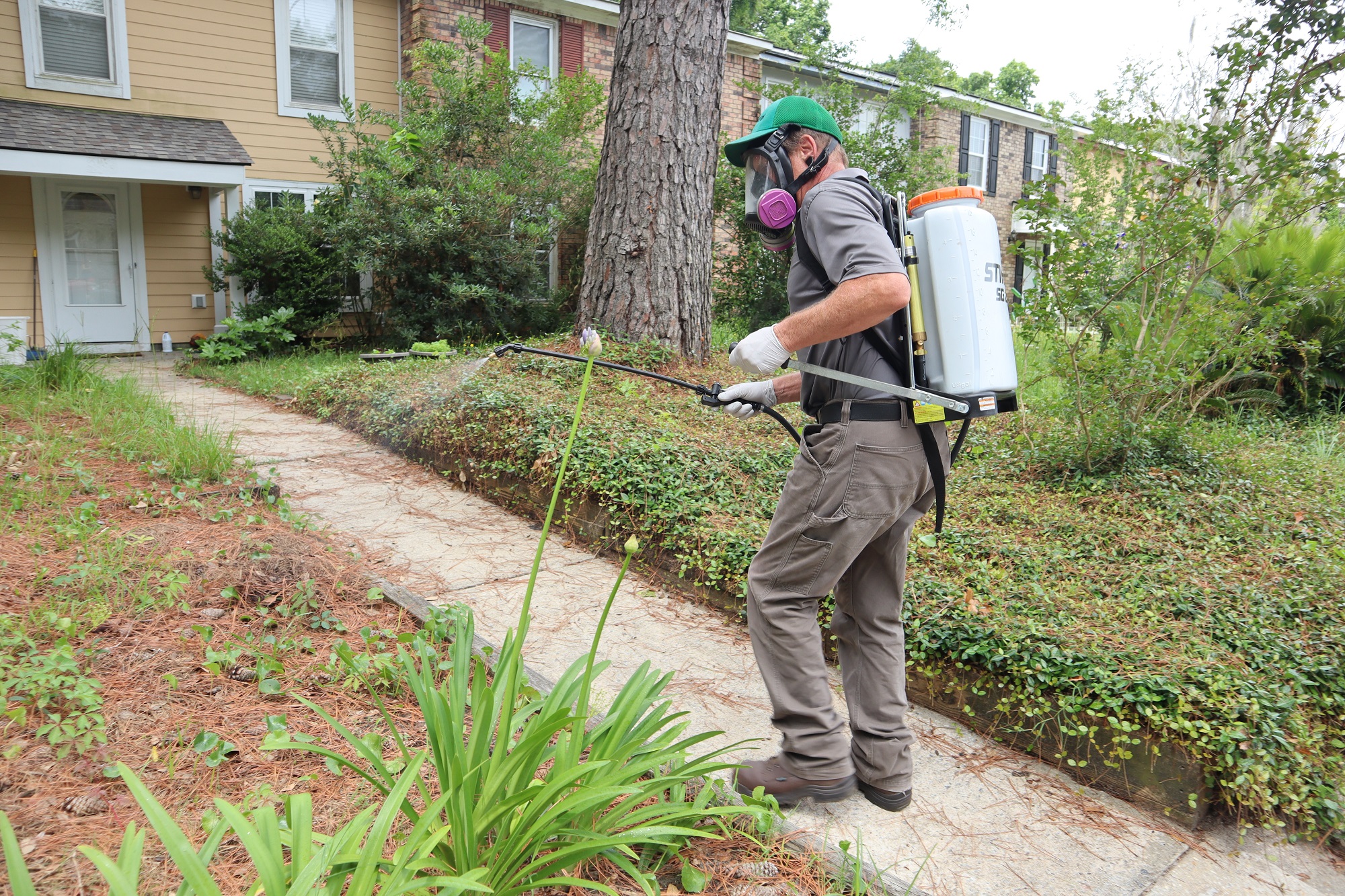
Changing Weather Can Expose the Routes Pests Use to Reach Indoor Shelter
Pests rarely move indoors without a reason. Changes in temperature, rainfall, humidity, and food availability can influence where insects and rodents travel, often bringing them closer to residential properties. For homeowners researching pest control in Keller TX, seasonal pest activity can offer useful clues about hidden entry points around a house. Professional pest control services can help address these recurring problems by considering where pests appear, when activity increases, and which property features may be allowing them inside.
A sudden increase in ants along a garage wall, insects gathering near patio thresholds, or rodents appearing around stored belongings may reflect more than a temporary seasonal nuisance. These patterns can reveal how pests move between outdoor shelter and indoor spaces. By connecting the timing of an infestation with its location, property owners can better understand potential vulnerabilities and make more informed decisions about prevention.
Why Seasonal Pest Movement Changes Around Residential Properties
Pest migration does not always involve long-distance travel. Many common nuisances move between nearby habitats as outdoor conditions change. Insects may shift from damp soil to protected foundations, while rodents may seek warmer nesting locations as temperatures fall. A residential property can provide food, water, shelter, and stable temperatures, making it an attractive destination during different stages of the year.
North Texas experiences dynamic seasons that influence pest behavior. Spring rains can increase moisture around foundations and landscaped areas, encouraging certain insects to move through damp soil or search for drier shelter. During a warm season, ants and other insects may remain active around lawns, patios, and exterior walls. After prolonged summer heat, pests may seek cooler, shaded locations, including garages, crawl spaces, wall voids, and areas around plumbing.
These changes create recognizable patterns. Activity near a garage may increase after rainfall, while rodents might become more noticeable around storage areas as outdoor temperatures change. The timing does not prove a specific entry route, but it helps narrow the areas that deserve attention. A useful pest control plan considers these seasonal clues rather than treating every sighting as an isolated event.
What Pest Activity Can Reveal about Hidden Entry Points

The location of a pest sighting often provides as much information as the species itself. Ants repeatedly appearing along a garage wall may be following a trail through a foundation crack, a gap beneath a door, or a small opening around a utility line. If the same activity appears near patio thresholds, worn weatherstripping or an uneven door seal may warrant closer examination.
Pests also use landscaping as a bridge between outdoor shelter and a building. Tree branches touching roofs, dense shrubs against siding, and ground cover close to foundations can provide sheltered routes. Over-watered beds and poorly drained areas may attract moisture-seeking insects, particularly when water collects near structural openings. Lawn weeds, accumulated leaves, and organic debris can also create places where insects shelter before moving toward the house.
The pattern of activity can help distinguish between possible routes. For example, ants appearing in a kitchen after rain may be entering through an exterior wall opening, but they could also be following a plumbing penetration or an interior crack. Repeated sightings near the same window, garage corner, or utility connection provide more useful clues than isolated insects found in different rooms. A professional assessment should consider both the indoor evidence and the surrounding outdoor conditions. The U.S. Environmental Protection Agency’s integrated pest management guidelines also emphasize identifying pest entry points, understanding environmental conditions, and addressing the underlying causes of infestations rather than relying solely on pesticides.
Want Reliable Pest Control?
Contact Buzz Kill Pest Control today for targeted pest protection.
How Different Seasons Expose Different Property Weaknesses
Spring often brings increased insect movement as temperatures rise and rainfall changes soil conditions. Ant colonies may become more active, and workers can begin exploring foundations, patios, and garage areas for food. Moisture around spring landscaping may also attract insects that prefer damp environments. When activity repeatedly appears near a particular section of the home, the pattern may reveal a gap that was less noticeable during colder months.
Summer introduces a different set of conditions. Extended heat can make shaded and moisture-rich areas more attractive, while irrigation and outdoor water sources may support insect activity. Shaded backyards, sunny lawn edges, and sunny parkways can each create different microenvironments around a property. Pest movement may increase around outdoor spaces where food, water, and shelter are readily available, particularly near patios and family yards.
As temperatures begin to change, some pests seek protected locations where conditions remain more stable. Rodents may investigate garages, attics, storage spaces, and openings around rooflines or foundations. This is a useful time to consider rodent exclusion, which focuses on identifying and closing suitable access points while addressing conditions that attract rodents. Seasonal activity should guide inspection priorities, but a building’s actual condition determines which repairs are appropriate.
Why Nearby Landscaping and Outdoor Spaces Matter
A property’s immediate surroundings can influence how frequently pests approach the structure. Dense vegetation, excessive irrigation, standing water, and debris can support pest activity close to the building. When these conditions occur beside cracks, gaps, or poorly sealed openings, pests have a relatively sheltered route toward indoor areas.
Landscaping features should be considered as part of the wider environment, not automatically treated as the source of every infestation. Tree and shrub placement, drainage, mulch depth, and irrigation habits can all affect moisture and shelter around a home. In some cases, adjustments to tree & shrub or lawn care services may improve conditions around the property. However, landscaping work is not a substitute for pest exclusion or targeted pest management.
Outdoor areas also vary in how they are used. A shaded backyard with dense planting may attract different pests than an exposed front lawn or a sunny patio. Residential streets with mature trees, nearby green spaces, and sports-field neighborhoods may have different surrounding habitats, but activity still depends on local conditions and the individual property.
Reading Seasonal Clues Without Misdiagnosing the Problem
A seasonal pattern is useful evidence, but it is not a diagnosis by itself. For example, ants appearing after spring rains could be responding to saturated soil, searching for food, or following an established trail through a structural opening. Similarly, rodents becoming visible during cooler weather may suggest a search for shelter. Still, the actual route could be a damaged vent, a gap around a service line, or an opening beneath a garage door.
A practical observation record can help clarify the pattern. Property owners can note the pest type, approximate number, location, date, weather conditions, and whether activity occurs at a particular time of day. Photographs of trails, droppings, damaged materials, or visible openings can provide additional context. This information helps knowledgeable professionals distinguish recurring activity from isolated encounters and decide which areas require closer attention.
Some signs deserve prompt attention. Rodent droppings, gnaw marks, damaged insulation, or repeated scratching sounds may suggest activity in concealed areas. Food contamination should be handled carefully, and suspected rodent contamination should not be swept or vacuumed while dry because particles can become airborne. Appropriate cleanup guidance depends on the material and extent of contamination. A qualified electrician should assess any damaged electrical wiring, since pest activity around the wiring can pose a separate property safety concern.
Building a Pest Control Plan Around Seasonal Patterns
A dependable pest control plan accounts for the property’s layout, pest history, entry points, and changing outdoor conditions. It should not rely solely on a calendar or assume that every home in the same zip code experiences identical pest pressure. A home near open green space, a property with extensive landscaping, and a residence with limited exterior vegetation may have different exposure points even within the same community.
A professional pest control assessment may consider foundation gaps, door seals, roofline openings, utility penetrations, moisture sources, and signs of nesting. The appropriate response depends on the pest involved. Ant control, for instance, may require identifying the trail and conditions supporting the colony, while rodent exclusion focuses on preventing rodents from accessing the structure. Effective pest control involves matching the method to the species and the source of the activity.
Treatment decisions should also account for household needs. Homes with pets may require additional attention to product labels, application locations, and re-entry instructions. EPA-registered products must be used according to their approved labeling, and residents should follow all precautions provided by the product manufacturer and pest management professional. Regular service may be appropriate for recurring seasonal pressure, but dependable year-round treatments should be based on actual needs rather than assumed necessary for every property. Any covered re-service visits or service guarantees should be confirmed directly with the provider instead of presumed.
A Seasonal Pattern Can Point Toward a Lasting Solution
Recurring pest activity often becomes easier to understand when the timing, location, and surrounding conditions are considered together. Seasonal movement can reveal where pests are seeking shelter and which openings may be giving them access to a home. A proactive approach combines sensible property maintenance, appropriate exclusion work, and treatment tailored to the pest in question. For homeowners dealing with persistent activity, Buzz Kill Pest Control can discuss professional pest control in Keller TX and help determine an appropriate next step for a Keller property.
Want Reliable Pest Control?
Contact Buzz Kill Pest Control today for targeted pest protection.