
When Cities Grow, Pests Adapt and Smart Pest Control Evolves with Them
Cities don’t just change skylines. They change pest behavior. As Fort Worth grows denser and land use shifts from open space to mixed residential and commercial development, pest activity follows new patterns. For homeowners and businesses seeking pest control in Fort Worth TX, understanding how professional pest control adapts to these changes is critical. Buzz Kill Pest Control doesn’t rely on static solutions. Instead, it adjusts treatment strategies based on urban density, construction trends, and environmental pressure.
Professional pest control adjusts strategies by analyzing how urban density and land use changes influence pest movement, breeding, and entry points. Pest technicians modify treatment plans, timing, and targeted treatments to match shifting environments, preventing pest infestations before they become widespread.
How Urban Growth Reshapes Pest Behavior in Fort Worth TX
Urban density doesn’t just attract people. It attracts pests.
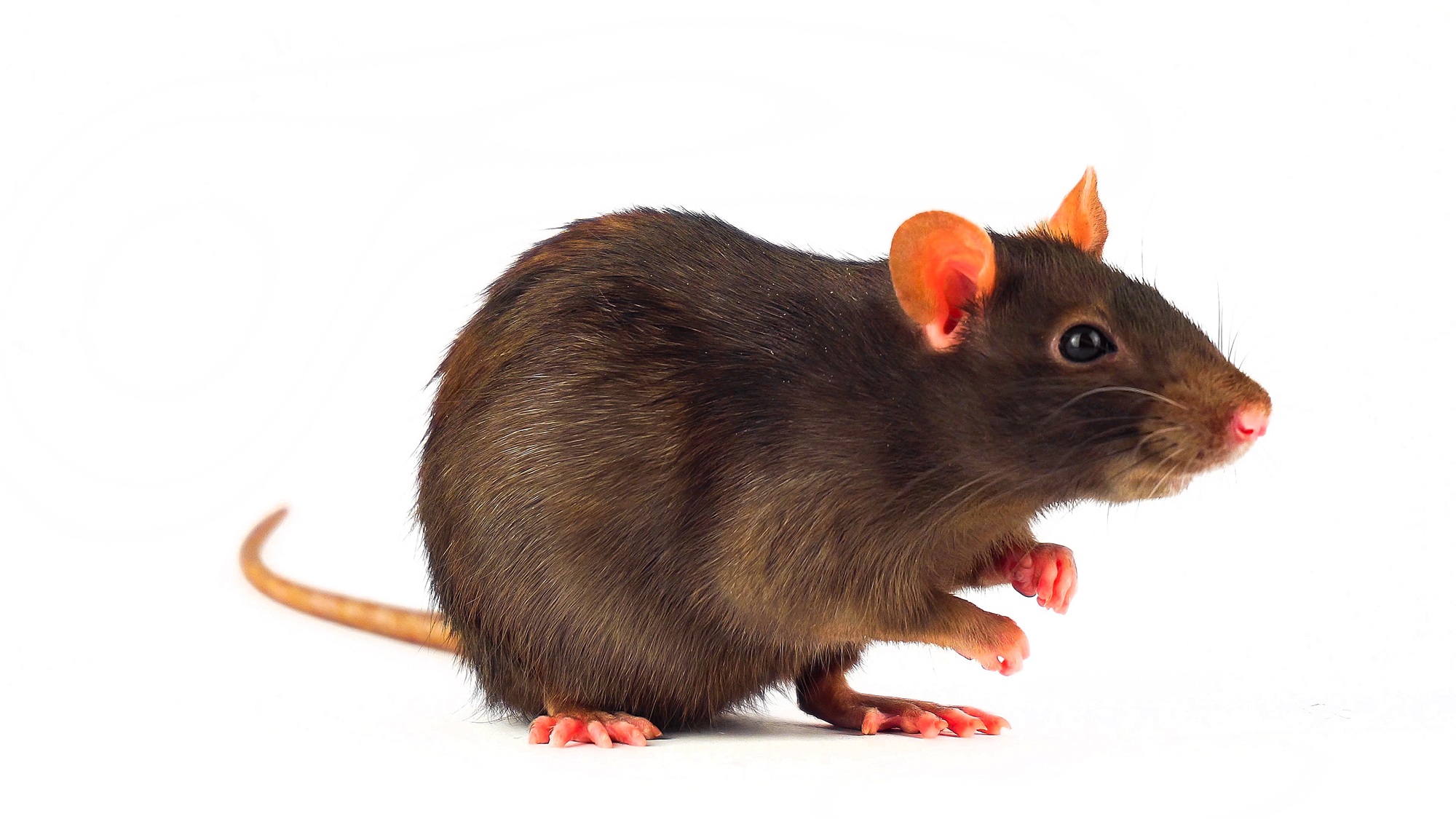
As Fort Worth expands, construction replaces open land with buildings, parking lots, and infrastructure. This displaces insects and rodents from natural habitats and pushes them toward homes and businesses. Fire ants move into landscaped areas. Rodents seek shelter near food sources. Bed bugs spread more easily in multi-unit housing. Mosquito breeding grounds shift with new drainage patterns.
A common question people ask is, Why are pest problems increasing in newly developed areas? The answer lies in disruption. Construction disturbs nesting sites and forces pests to relocate quickly.
Professional pest management accounts for these pressures. Instead of relying on one-size-fits-all pest control plans, a pest control service provider must evaluate how zoning changes, traffic patterns, and population density affect pest activity.
Common Mistakes When Pest Control Doesn’t Adapt to Land Use Changes
Many pest infestations persist because treatment strategies don’t evolve with the environment.
One frequent mistake is applying the same treatment year after year without reassessing conditions. Urban growth changes pest pressure. What worked five years ago may no longer address current pest activity.
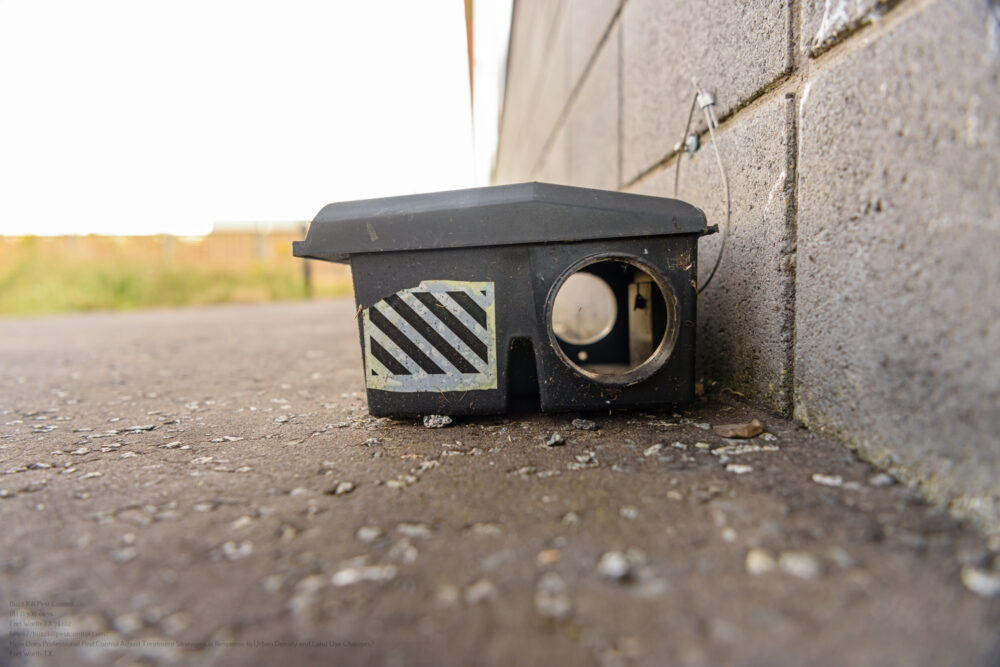
Another issue is ignoring perimeter shifts. New sidewalks, parking structures, and utility installations create fresh entry points. Without updated inspections, pests bypass existing barriers.
Reactive pest treatment is also a problem. Waiting until pests appear indoors ignores early warning signs outdoors. Fire ant treatment applied too late allows colonies to establish. Rodent prevention service fails when construction debris provides new shelter.
Homeowners sometimes rely on short-term fixes or inconsistent service. This creates gaps in pest management plans that pests exploit. According to the National Pest Management Association, urban development significantly increases pest migration into structures when preventative measures aren’t updated.
Buzz Kill Pest Control helps clients avoid these mistakes by reassessing treatment recommendations whenever land use or density changes occur nearby.
Read more about pest control in Fort Worth TX
Looking for Professional Pest Control Services that Adapt as The City Grows?
Contact Buzz Kill Pest Control today for smart, long-term pest protection.
Why Adaptive Pest Control Strategies More Than Ever
Urban density accelerates pest movement. That means delays cost more.
When pest control services adjust strategies proactively, infestations are easier to manage and less damaging. Termite services benefit from updated inspections when soil is disturbed. Rodent control improves when access routes created by development are addressed early. Mosquito spray schedules change based on drainage patterns and water retention areas.
One Fort Worth business experienced rising pest activity after nearby construction began. Instead of increasing treatments blindly, pest technicians adjusted indoor and outdoor treatment plans, focusing on new entry points and altered pest routes. The result was faster control with fewer applications.
This adaptability protects property, reduces disruptions, and improves customer service outcomes. It also supports safety standards by applying targeted treatments only where needed.
How Professionals Adjust Treatment Plans as Cities Change
Professional pest control begins with observation, not assumptions.
Pest technicians monitor pest activity trends tied to seasonal changes, construction cycles, and land development. They reassess treatment plans regularly, adjusting frequency, placement, and product selection.
In Fort Worth, this often means combining indoor and outdoor treatment plans with perimeter protection that shifts as properties evolve. Subterranean bait stations may be repositioned. Flea treatment programs adapt when green spaces increase. Stinging insects are addressed as landscaping changes.
A typical adaptive approach includes:
- Reviewing recent land use or construction changes near the property.
- Inspecting new pest entry points and altered pest pathways.
- Adjusting targeted treatments based on updated pest identification.
- Updating maintenance plans to match new risk levels.
This flexibility is what separates professional pest control from static solutions.
Expert Insight: Why Pests Thrive in Dense Urban Environments
Pests are opportunists. Urban density gives them more chances.
More buildings mean more heat retention, more food waste, and more shelter. Rodents thrive near restaurants and dumpsters. Bed bugs spread faster where people live closer together. Fleas & ticks increase where pets and shared outdoor spaces overlap.
Buzz Kill Pest Control trains licensed technicians to recognize these patterns early. One practical takeaway for property owners is timing. Pest activity often spikes shortly after nearby construction or rezoning. Early intervention prevents widespread pest infestations.
Integrated pest management practices allow pest control specialists to respond quickly, adjusting strategies before pests establish themselves.
Key Optimization Points for Long-Term Pest Protection in Fort Worth
Urban growth isn’t slowing down. Pest control must keep pace.
Effective pest management services rely on continuous assessment, not fixed schedules. Treatment plans should evolve alongside land use, density, and seasonal changes. This approach improves total elimination & prevention outcomes while minimizing unnecessary treatments.
For anyone searching for dependable pest control, the takeaway is clear. Adaptive strategies protect better than reactive responses, especially in growing cities like Fort Worth.
Why Choosing Buzz Kill Pest Control is the Smart Response to a Changing City
We at Buzz Kill Pest Control provide the best solutions to our customers by adjusting pest control strategies as Fort Worth grows and changes. Our approach focuses on understanding how urban density and land use shifts influence pest activity, then responding with precise, professional pest control services.
We proudly showcase our excellent services through effective termite control, rodent control, mosquito control, flea exterminator programs, bed bug exterminator solutions, and reliable commercial pest control backed by strong maintenance plans. Our licensed technicians follow strict safety standards and deliver consistent results with a satisfaction guarantee.
If you want pest protection that adapts as your environment changes, contact Buzz Kill Pest Control for expert pest management services. Stay ahead of infestations with trusted solutions for pest control in Fort Worth TX designed for a growing city.
pest control near me in Fort Worth TX
Looking for Professional Pest Control Services that Adapt as The City Grows?
Contact Buzz Kill Pest Control today for smart, long-term pest protection.
FAQs About Pest Control in Fort Worth TX
[new_accordion title="Are adaptive pest control strategies more expensive?"]Costs vary based on property size and pest pressure, but adaptive strategies often reduce long-term expenses by preventing major infestations and property damage.