
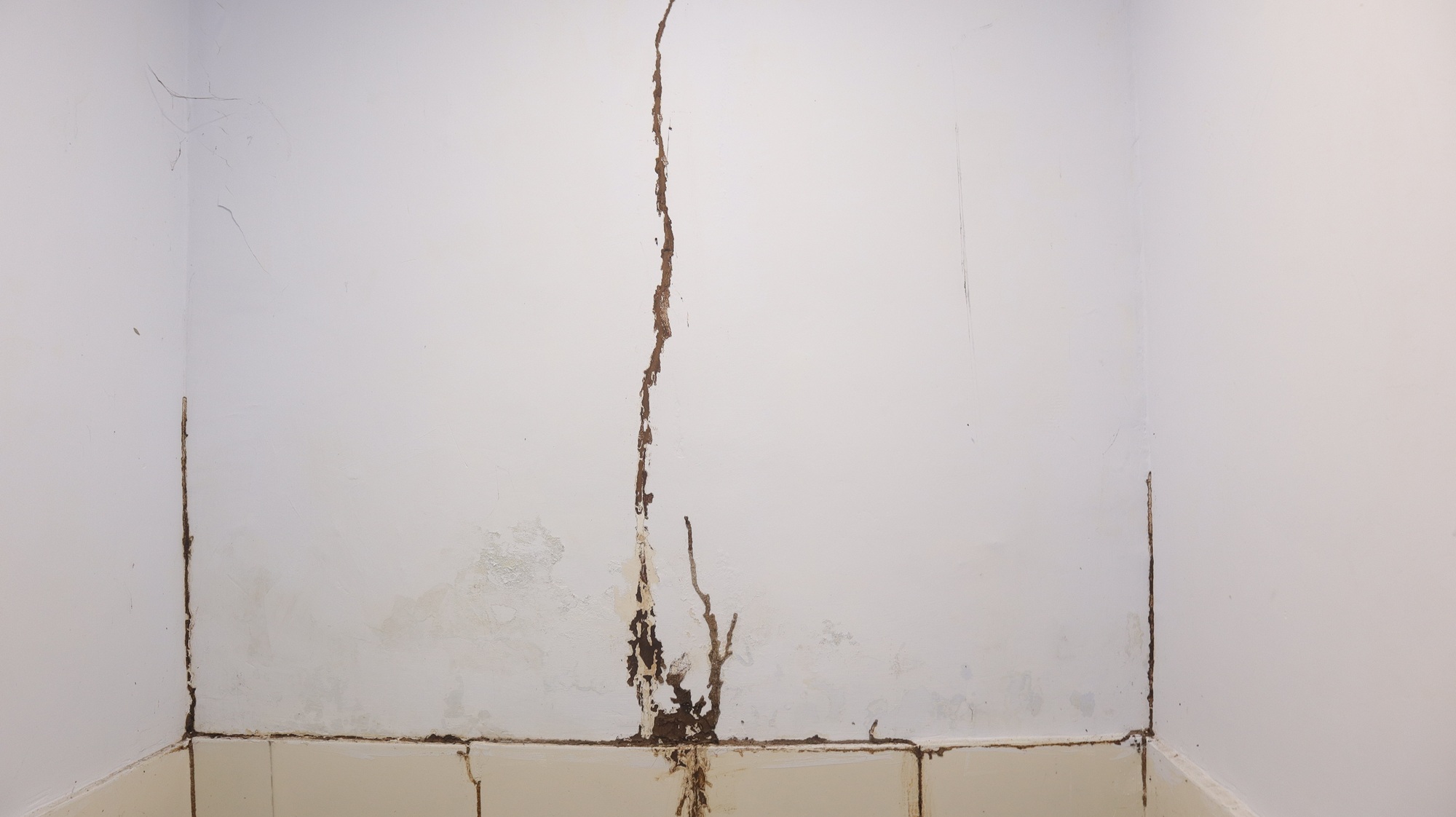
The Warning Signs Hidden Inside Your Structure That Termites Notice Long Before You Do
Termites don’t announce their arrival. They assess quietly, exploiting structural conditions that make long-term infestation possible. For property owners concerned about termite control in Fort Worth TX, understanding what termite control specialists actually look for during inspections can explain why some buildings face repeated issues while others remain protected. Buzz Kill Pest Control evaluates far more than visible damage, focusing on structural indicators that signal ongoing or future termite risk.
Termite control specialists assess long-term infestation risk by analyzing structural indicators such as moisture levels, wood-to-soil contact, foundation gaps, ventilation issues, and previous treatment history. These factors determine whether subterranean termites can access, survive, and expand within a structure over time.
Why Structural Indicators are the Real Story Behind Termite Activity
Termites don’t choose buildings at random.
In Fort Worth TX, subterranean termites are drawn to structures that provide moisture, shelter, and concealed access to wood. These insects don’t need exposed lumber to thrive. They move through soil, foundation cracks, and wall voids, feeding unseen for years.
A common People Also Ask question is, How do termite inspectors know if a home is at risk? The answer lies in conditions, not just damage.
Professional termite control begins with identifying structural vulnerabilities that support termite survival. Even homes without active infestations can show high-risk indicators. Ignoring these signs leads to delayed treatment, higher repair costs, and repeated pest problems.
That’s why effective termite control services focus on assessing the structure itself, not just the presence of insects.
Common Oversights that Increase Long-Term Termite Risk
Many termite infestations escalate because early indicators are misinterpreted or overlooked entirely. Termites often exploit structural and environmental conditions that appear minor at first but worsen over time without intervention. Recognizing these common patterns is critical for long-term prevention.
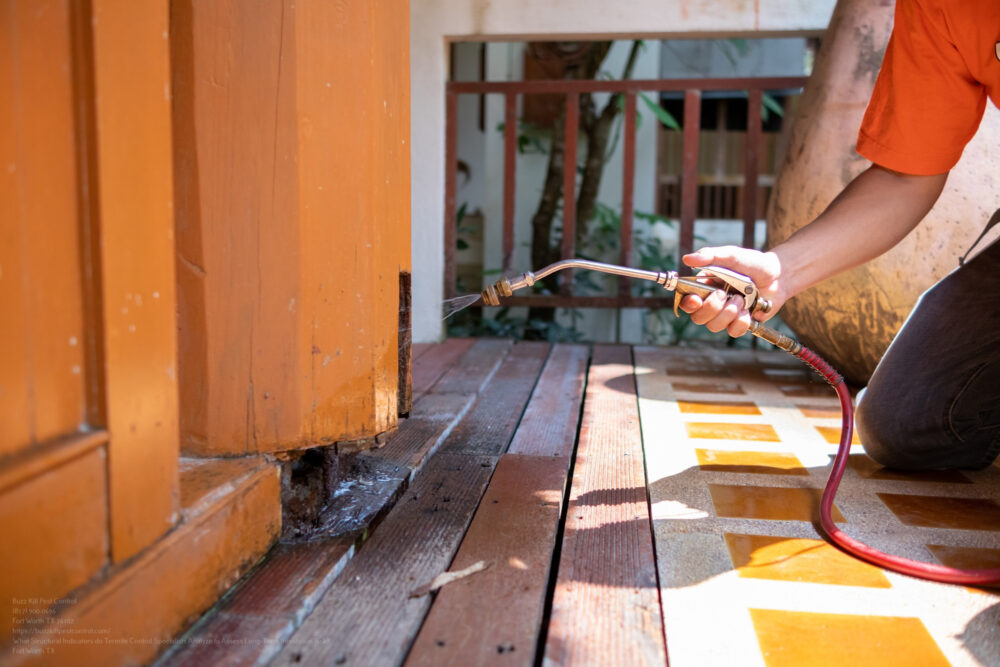
Common insights that explain why termite problems persist include:
- Moisture conditions drive termite activity: Leaking pipes, poor drainage, and inadequate ventilation create damp environments termites depend on. Crawl spaces, basements, and slab edges are especially vulnerable when moisture remains trapped.
- Wood-to-soil contact creates direct access points: Siding, porch posts, fencing, and landscaping timbers that touch the ground allow subterranean termites to bypass chemical barriers and enter structures unnoticed.
- Foundation gaps act as protected entry routes: Natural settling causes cracks around foundations, expansion joints, and utility penetrations. These concealed openings provide ideal pathways for termite intrusion.
- Previous treatments are often assumed to be permanent: Liquid barriers degrade over time, bait systems require ongoing monitoring, and structural changes can compromise established protection zones.
- Hidden areas are rarely inspected consistently: Termite activity often begins in concealed zones, such as wall voids or beneath flooring, where damage can progress long before it becomes visible.
According to guidance from the Environmental Protection Agency, effective termite prevention requires ongoing inspections, moisture control, and structural corrections—even after professional treatment has been completed. Buzz Kill Pest Control helps clients stay protected by evaluating both visible conditions and hidden risk factors during every comprehensive termite inspection, reducing the likelihood of reinfestation.
Read more about termite control in Fort Worth TX
Looking For Professional Termite Control Services That Prevent Long-Term Damage?
Contact Buzz Kill Pest Control today and protect your property with confidence.
Why Structural Analysis Matters for Long-Term Protection
Termite damage is cumulative and expensive.
Left unchecked, termites cause structural damage that affects framing, flooring, and load-bearing components. Repairs often cost far more than proactive termite treatment. Identifying risk indicators early allows for targeted treatments that protect the structure before damage spreads.
One Fort Worth homeowner scheduled a routine home inspection and discovered elevated moisture near the foundation and compromised ventilation. Although no live termites were found, the conditions strongly supported infestation. A preventive treatment plan was implemented, avoiding future repairs and preserving property value.
For commercial pest control services, the stakes are even higher. Structural issues in large facilities can allow termite colonies to grow unnoticed across expansive areas, increasing downtime and liability.
This is why professional pest control services prioritize structural analysis alongside treatment.
How Termite Control Specialists Evaluate Structural Risk Factors
Professional termite inspections follow a methodical process.
Licensed technicians examine interior and exterior areas, focusing on foundation lines, crawl spaces, utility penetrations, and moisture-prone zones. They assess pest activity indicators alongside environmental conditions that support termites.
Key structural indicators include:
- Persistent moisture sources near foundations or interior walls.
- Wood-to-soil contact that bypasses protective barriers.
- Cracks in slabs, expansion joints, and masonry.
- Poor airflow in crawl spaces or enclosed areas.
- Evidence of previous termite activity or outdated treatments.
Based on these findings, a customized extermination plan is developed. This may include liquid barrier treatments, baiting systems, spot treatments, or dry foam void filler depending on risk level and structure type.
This tailored approach ensures termite control solutions address both current and future infestation risks.
Expert Insight: Why Termites Exploit Structural Weaknesses First
Termites are efficient, not aggressive.
They follow moisture gradients and concealed pathways that minimize exposure. Structures with consistent dampness, poor ventilation, or untreated gaps offer ideal conditions. Once termites establish access, they expand quietly, often undetected until significant damage occurs.
Buzz Kill Pest Control trains technicians to think from a termite’s perspective. Where is moisture pooling? Where can termites move without exposure? How does seasonal pest control impact soil conditions?
A practical takeaway for property owners is awareness. Structural changes such as new landscaping, HVAC modifications, or drainage alterations can increase termite risk if not assessed professionally.
Key Optimization Points for Long-Term Termite Prevention in Fort Worth
Effective termite control focuses on conditions, not just insects.
Addressing moisture issues, correcting wood-to-soil contact, maintaining barrier integrity, and scheduling regular termite inspections reduce long-term risk significantly. Integrated pest management practices ensure treatments remain effective while adapting to structural changes.
For those seeking reliable termite control the takeaway is clear. Structures that are monitored and maintained proactively are far less likely to experience costly termite infestations.
Why Choosing Buzz Kill Pest Control is the Smart Choice for Termite Protection
We at Buzz Kill Pest Control provide the best solutions to our customers by analyzing the structural indicators that termites rely on to survive and spread. Our approach combines detailed termite inspections, targeted treatments, and customized extermination plans designed specifically for Fort Worth properties.
We proudly showcase our excellent services through dependable termite control, advanced liquid barrier treatments, monitored baiting systems, and pest control services supported by licensed technicians and strong customer service. Our focus is on total elimination and prevention, not short-term fixes.
If you want lasting termite protection, contact Buzz Kill Pest Control for expert termite control services in Fort Worth. Protect your investment today with proven termite control in Fort Worth TX solutions built for long-term peace of mind.
termite control Near me in Fort Worth TX
Looking For Professional Termite Control Services That Prevent Long-Term Damage?
Contact Buzz Kill Pest Control today and protect your property with confidence.