
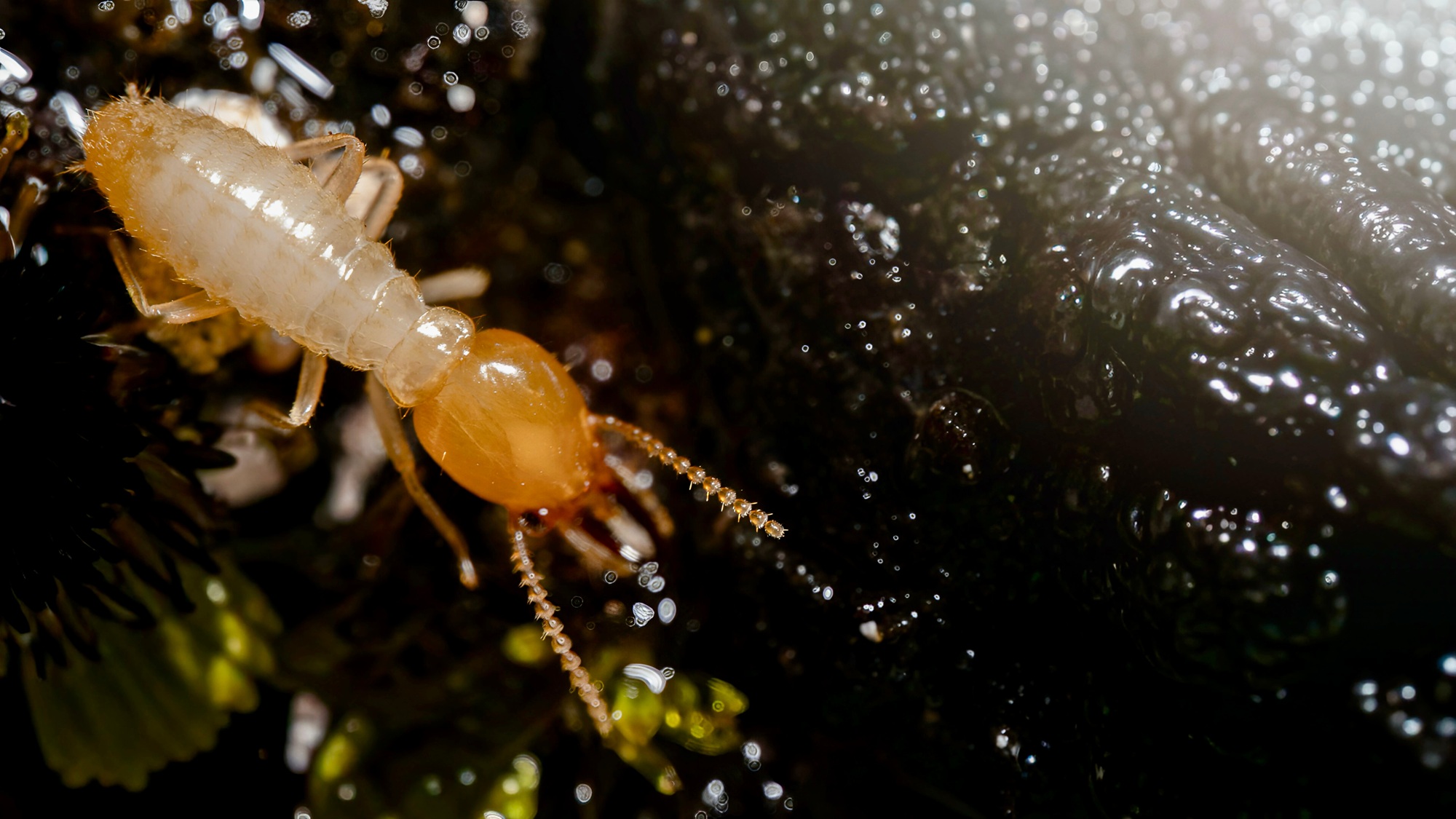
Why Moisture Beneath Your Property Quietly Dictates Termite Behavior and Treatment Success
Most termite infestations don’t begin where you can see them—they begin underground, where moisture levels guide colony movement. In regions like Dallas-Fort Worth, shifting soil moisture creates pathways that termites follow straight into structures. That’s why termite control in Dallas TX, must adapt to these hidden moisture gradients.
Buzz Kill Pest Control builds treatment plans based on how termites respond to soil moisture, not just visible damage.
Termite control programs adapt to subsurface moisture gradients by identifying moisture-rich zones that attract subterranean termites, then applying targeted soil treatments, baiting systems, and moisture control strategies to disrupt colony movement and prevent reinfestation across the Dallas-Fort Worth area.
How Termite Control in Dallas TX Tracks Moisture Patterns to Stop Colony Movement
Subsurface moisture isn’t evenly distributed. It forms pockets—near foundations, under wooden fences, around plumbing leaks, and within crawl spaces. These zones become highways for termite activity.
Professional termite control in Dallas TX programs map these moisture gradients during inspection. By analyzing soil conditions and pest activity, technicians can predict how subterranean termites move beneath a property.
Why Moisture Drives Termite Behavior
Subterranean termites rely on moisture to survive. Dry soil limits movement, while damp conditions allow colonies to expand. This is why mud tubes often appear along exterior perimeter walls where moisture levels are stable.
People Also Ask: Do Termites Prefer Wet Soil?
Yes, termites actively seek out moist environments. Without consistent moisture, colonies struggle to survive, making moisture control a critical part of termite treatment.
5 Costly Mistakes Homeowners Make When Ignoring Moisture-Driven Termite Activity
Many termite infestations worsen because moisture factors are overlooked. It’s not just about pests—it’s about the environment supporting them.
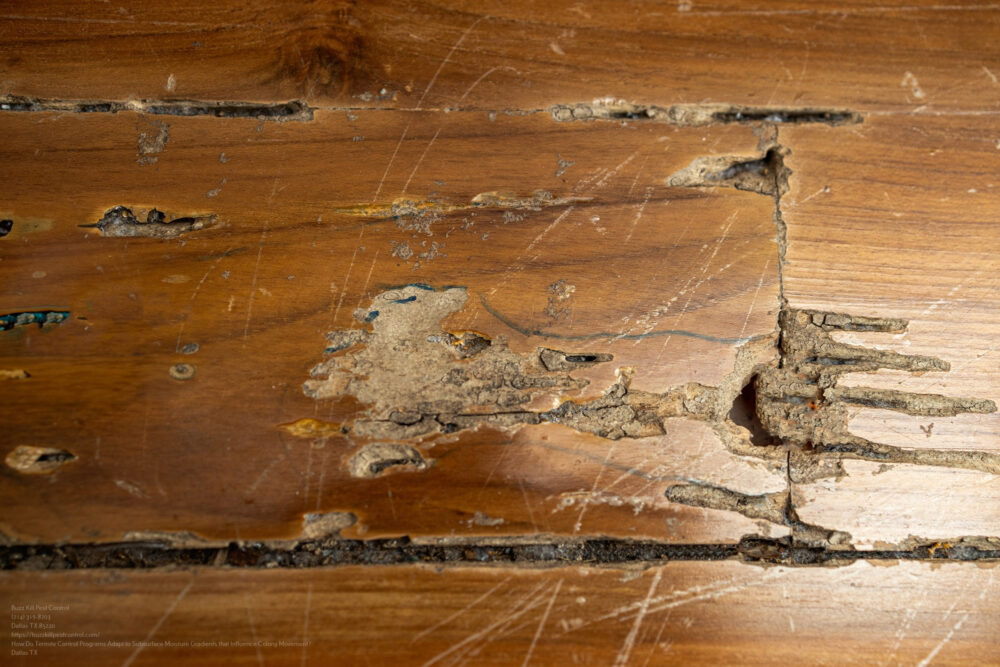
One common mistake is focusing only on visible structural damage. Termite activity often begins underground long before damage appears.
Another issue is poor drainage. Standing water near foundations creates ideal conditions for termite infestation and encourages colony expansion.
DIY treatments also fail frequently. Without understanding moisture gradients, chemical treatments may be applied in the wrong areas. According to the Environmental Protection Agency, improper pesticide use can reduce effectiveness and increase environmental risks.
Ignoring seasonal shifts is another problem. In the Greater Dallas Metro Area, rainfall patterns and drought cycles significantly influence termite movement.
Buzz Kill Pest Control helps property owners avoid these issues by integrating moisture control, soil treatments, and Integrated Pest Management into every pest control plan.
Need Termite Control Services?
Contact Buzz Kill Pest Control today for expert service and long-term protection.
Why Moisture-Based Termite Strategies Deliver Better Long-Term Results
Moisture isn’t just a contributing factor—it’s the foundation of termite survival. Addressing it directly leads to stronger, longer-lasting results.
In Dallas-Fort Worth, properties with poor moisture management often experience recurring termite infestations. By targeting moisture-rich areas, pest control services can eliminate not only visible pests but also the conditions that sustain them.
Buzz Kill Pest Control uses advanced treatment techniques to address both termite activity and environmental conditions. This approach reduces reliance on repeated treatments and supports long-term prevention.
It also protects against related pest challenges, such as bed bugs, fire ants, and other pests that thrive in similar environments.
Best Practices Experts Use to Adapt Treatments to Subsurface Moisture Changes
Modern termite control requires precision. Professionals don’t just treat—they adapt.
Here’s how experts approach moisture-driven termite control:
- Conduct a detailed visual termite inspection and attic inspection to identify moisture sources and termite activity
- Map subsurface moisture gradients using inspection data and soil conditions
- Apply liquid treatment and baiting systems strategically in moisture-prone zones
These steps ensure termite treatment reaches active colonies while preventing future movement. They also align with environmentally responsible pest control practices and organic pest control approaches where appropriate.
Expert Insights: Real-World Example of Moisture-Driven Termite Control Success
Buzz Kill Pest Control recently handled a termite infestation in a Dallas property where traditional treatments had failed. The issue wasn’t the product—it was placement.
Moisture from a hidden plumbing leak created a concentrated zone beneath the foundation. Termites were bypassing treated areas and traveling through untreated, moisture-rich soil.
By identifying this gradient and adjusting the treatment plan with targeted soil treatments and baiting systems, the colony was eliminated.
This case highlights an important lesson: termite control isn’t static. It must adapt to changing environmental conditions to remain effective.
Key Takeaways for Smarter Termite Control in Dallas TX
Subsurface moisture gradients play a critical role in termite behavior and treatment success. Ignoring them leads to ineffective pest control plans and recurring infestations.
Understanding how moisture influences termite movement allows pest professionals to design targeted treatments that address the root of the problem.
Key takeaways include:
- Moisture-rich soil zones attract and sustain termite colonies
- Seasonal shifts in Dallas-Fort Worth affect termite activity patterns
- Proper moisture control enhances the effectiveness of soil treatments and baiting systems
When these elements are addressed together, termite control becomes more precise, reliable, and sustainable for long-term prevention.
Buzz Kill Pest Control – The Smart Choice for Advanced Termite Protection
We at Buzz Kill Pest Control provide our customers with the best solutions by combining advanced moisture analysis with proven termite control strategies.
Our team delivers expert pest control services, including termite inspection, customized treatment plans, and long-term pest protection. We focus on customer satisfaction by using innovative techniques that adapt to Dallas-Fort Worth conditions.
We showcase our excellence through reliable pest control plans and environmentally responsible solutions that eliminate termite infestations and prevent future pest problems.
Contact Buzz Kill Pest Control today for expert termite services and dependable pest protection in Dallas TX. Let our professionals safeguard your home with effective termite control in Dallas TX.
Need Termite Control Services?
Contact Buzz Kill Pest Control today for expert service and long-term protection.