
The Subtle Signs that Reveal How Big a Rat Problem Really is
A rat infestation rarely announces itself loudly. It builds slowly—through droppings, gnawing damage, and hidden Waste that most homeowners overlook until the problem becomes severe. In a busy metro like Dallas, where urban density and food access are high, understanding these subtle indicators is the difference between early control and a costly infestation.
A professional rat exterminator in Dallas TX doesn’t just remove rodents—they read the environment like a timeline. Buzz Kill Pest Control evaluates rodent excrement, nesting debris, and contamination patterns to determine how long an infestation has been active and how large the rat population may be.
A rat exterminator assesses infestation severity by analyzing waste accumulation, such as droppings, urine trails, nesting debris, and food contamination. The quantity, location, and age of these indicators help determine colony size, activity duration, and risk level, guiding targeted rodent control and long-term prevention strategies.
Why Rat Exterminator in Dallas TX Relies on Waste Pattern Analysis
Waste is one of the most accurate indicators of rodent activity. Unlike occasional sightings, rodent excrement accumulates consistently, providing a measurable indicator of infestation severity.
A rat exterminator in Dallas TX examines droppings size, shape, and distribution to distinguish between Norway rats, roof rats, and even house mice. For example, larger droppings clustered near ground-level entry points often signal Norway rats, while scattered droppings in elevated areas suggest roof rats.
People Also Ask: Can Waste Indicate How Long Rats Have Been Present?
Yes. Fresh droppings are dark and moist, while older ones become dry and brittle. By comparing these differences, pest control professionals can estimate how long a rat infestation has been active.
Across Dallas, TX, this level of detail is essential for designing accurate pest control plans and ensuring effective rodent removal.
5 Critical Mistakes When Interpreting Rodent Waste Accumulation
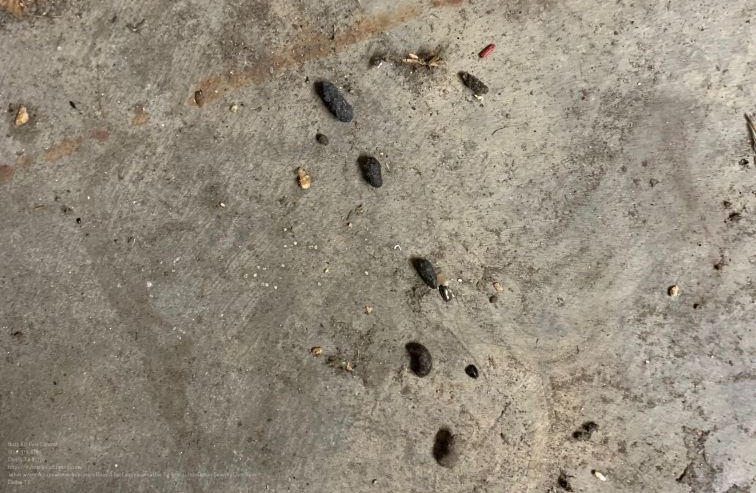
Misreading waste indicators is one of the biggest reasons infestations persist. Many homeowners assume a small amount of droppings means a minor issue, but that’s rarely the case.
One common mistake is underestimating accumulation speed. Rats can produce dozens of droppings daily, meaning even a small visible amount may indicate a large hidden rat population.
Another issue is ignoring contamination zones. Waste near food storage areas increases the risk of food-borne illness and disease transmission, including rat-bite fever and flea- and mite-borne diseases.
Some homeowners rely solely on rat traps without addressing sanitation support or entry points. According to the Centers for Disease Control and Prevention, rodent infestations require a comprehensive approach that includes sanitation, exclusion, and professional pest management.
Others overlook related pest activity. A rodent infestation often overlaps with cockroach, ant, or mosquito control issues, especially in areas with standing water.
Buzz Kill Pest Control avoids these mistakes by combining trapping, decontamination services, and integrated pest management to deliver comprehensive pest control solutions.
Need Reliable Rodent Control?
Contact Buzz Kill Pest Control today for fast, expert service.
Why Waste Indicators Matter for Long-Term Pest Management
Waste accumulation isn’t just a sign of infestation—it’s a roadmap for long-term prevention. By understanding where and how Waste builds up, pest professionals can identify feeding zones, nesting areas, and high-risk entry points.
This matters because rodents are creatures of habit. They follow consistent routes, leaving behind trails of rodent excrement, urine, and gnawing damage. These patterns often reveal hidden nests behind walls, under floors, or near electrical wiring.
In commercial pest control environments, such as restaurants and warehouses, waste analysis is critical for maintaining health standards and preventing food contamination.
Buzz Kill Pest Control integrates waste analysis into broader pest control plans, including wildlife services, termite control, and spider control. This ensures year-round coverage and long-term prevention for both residential and commercial properties.
Best Practices Professionals Use to Evaluate Infestation Severity
Professional rat exterminators follow a structured process to assess waste accumulation and determine infestation severity. It’s not guesswork—it’s a systematic approach based on pest biology and behavior.
Here’s how experts evaluate the situation:
- Measure droppings density and distribution to estimate rat population size
- Identify high-activity zones near entry points, food sources, and nesting areas
- Analyze contamination levels to determine health risks and required decontamination services
This process allows pest control professionals to design customized pest control plans that include rodent trapping and removal, long-term pest management, and other services.
In Dallas, TX, where urban environments create ideal conditions for nuisance rodent activity, these practices are essential for effective rodent control.
Expert Insights: Real Case of Waste Analysis in Dallas Homes
Buzz Kill Pest Control recently handled a severe rat infestation in a Dallas home where the homeowner initially reported only occasional sightings.
Upon inspection, the team discovered extensive rodent excrement in attic insulation, along with nesting materials and gnawing damage near electrical wiring. Waste accumulation patterns revealed multiple nesting sites and a growing rat population.
The solution involved a combination of rat trapping, bait traps, exclusion work, and sanitation support. Decontamination services were also applied to eliminate health risks and restore safe living conditions.
Compared to companies like Critter Control, Buzz Kill Pest Control emphasizes precision and customer satisfaction, ensuring infestations are fully resolved and won’t return.
Key Takeaways for Understanding Waste Indicators and Infestation Growth
Waste accumulation is one of the most reliable ways to measure infestation severity over time. When properly analyzed, it provides clear insights into rodent behavior and population growth.
Key takeaways include:
- High droppings density indicates a larger rat population and active infestation
- Waste near food sources signals increased risk of food contamination and disease transmission
- Combining waste analysis with pest control services ensures effective and long-term rodent control
By applying these insights, Buzz Kill Pest Control delivers effective solutions tailored to the unique challenges of Dallas environments.
Buzz Kill Pest Control – The Smart Choice for Accurate Rodent Assessment
We at Buzz Kill Pest Control provide the best solutions to our customers by combining advanced waste analysis with proven rodent services and pest control plans.
Our team delivers expert rodent, mosquito, termite, ant, and spider control using integrated pest management and a Home Protection Plan designed for year-round coverage. We focus on customer service, sanitation support, and long-term prevention strategies.
We showcase our excellence through precise infestation assessments, professional trapping methods, and environmentally responsible pest control solutions.
Contact Buzz Kill Pest Control today for expert rodent removal and prevention in Dallas TX. Trust our team for reliable, results-driven rat exterminator in Dallas TX.
Need Reliable Rodent Control?
Contact Buzz Kill Pest Control today for fast, expert service.