
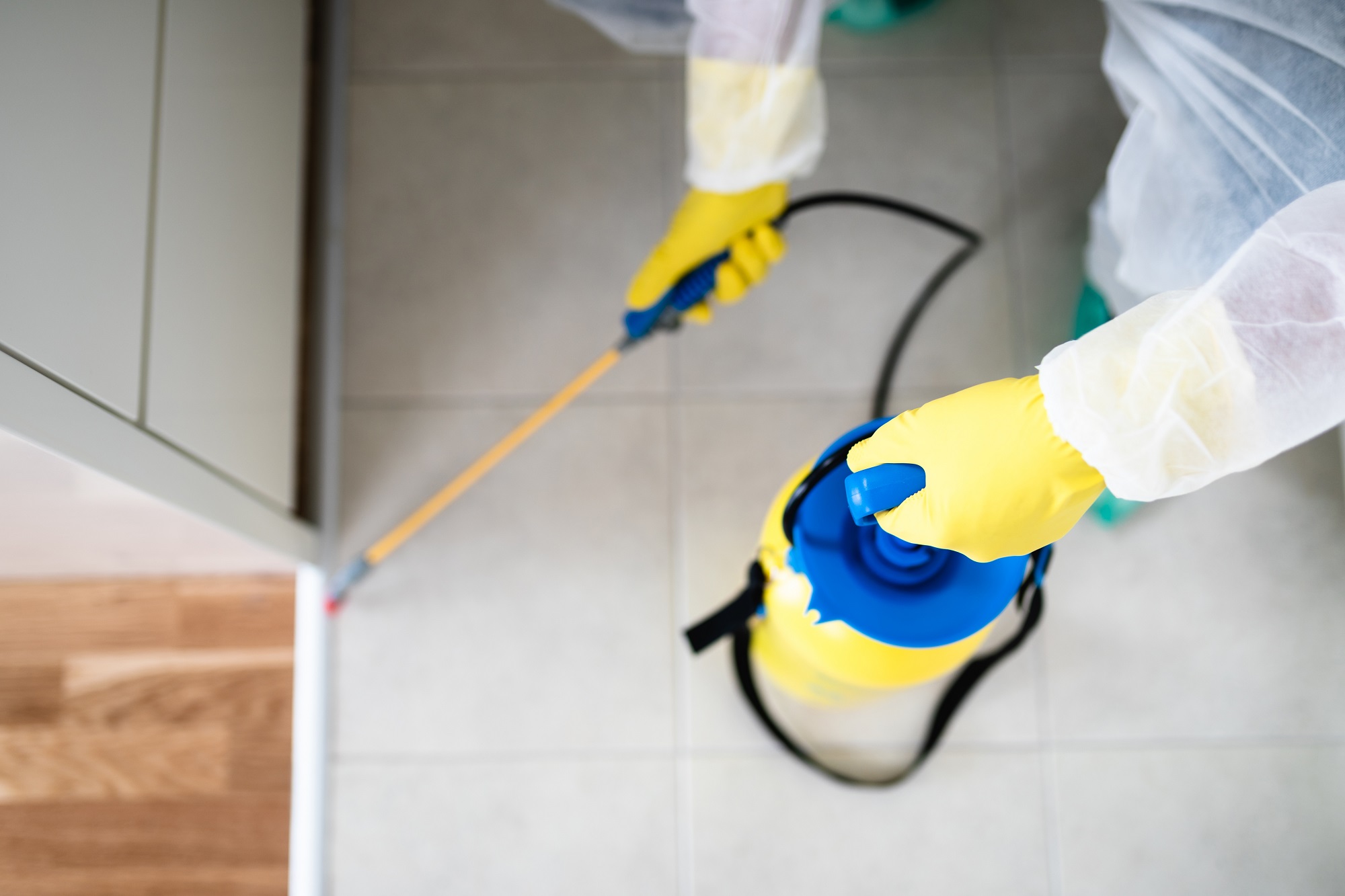
Why One Treatment May Not Reach Every Stage of a Pest Population
A pest treatment can reduce visible activity without eliminating every insect or rodent on a property. Eggs may remain protected, immature pests may still be developing, and new individuals may enter from nearby areas. For an exterminator in Fort Worth TX, understanding these life-cycle differences helps determine when another visit should follow an initial treatment and which methods are appropriate.
The professional exterminator services offered by Buzz Kill Pest Control address pest concerns by focusing on the conditions that support an infestation, not just the pests currently in view.
Reproduction affects pest control in several ways. It influences how quickly a population can recover, where pests are likely to appear next, and whether a treatment needs to target adults, developing stages, breeding sites, or access points. A useful treatment schedule, therefore, depends on the pest species, its life cycle, the extent of its activity, and the conditions around the property.
Different Pests Require Different Treatment Timelines
Pests do not reproduce at the same rate or in the same way. Some insects produce eggs that remain hidden until conditions support hatching, while others give birth to live young. Certain species develop through several distinct stages, and their vulnerability to treatment can change as they mature. A schedule that works for one pest may be ineffective for another.
Ant populations, for example, are organized around colonies. Worker ants seen inside a kitchen or along a foundation are usually only a small part of a much larger group that may include queens, brood, and workers in protected nesting areas. Treating only visible ants may temporarily reduce activity while leaving the colony intact. Effective ant control considers where the colony is established, what food or moisture attracts foragers, and whether the treatment method can reach the relevant parts of the colony.
Mosquitoes follow a different pattern because their immature stages develop in water. Adult mosquitoes may be noticeable outdoors, but eggs, larvae, and pupae can remain in suitable water sources before emerging. A mosquito control strategy may therefore need to address breeding locations as well as adult activity. Weather and rainfall can affect how quickly new mosquitoes emerge, making seasonal conditions an important factor in treatment timing.
Rodents also require a life-cycle-aware approach. A breeding population can include adults, juveniles, and animals using different routes through a structure. A reduction in sightings does not necessarily mean every rodent has been removed, particularly when food, shelter, and entry points remain available. A practical rodent management plan combines population control with exclusion and changes to the conditions that support nesting.
Why Follow-Up Timing Matters After the Initial Treatment
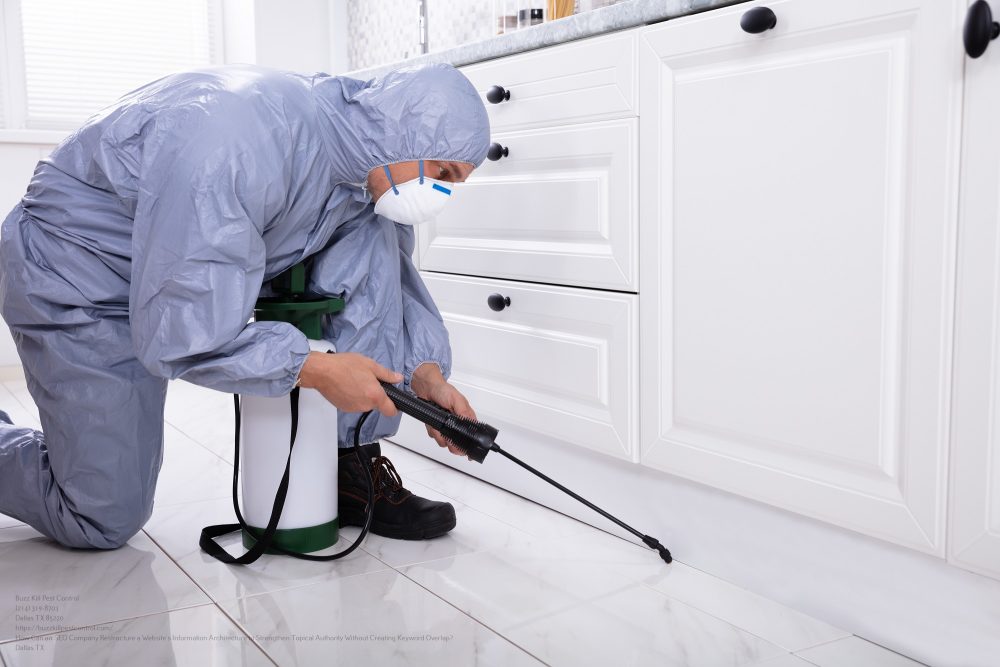
A follow-up visit is not simply a repeat of the first application. Its purpose depends on what the initial treatment was designed to do and how the target pest develops. Some products affect exposed pests but do not reach eggs or protected stages. Other methods rely on pests encountering a treated area or carrying a material back to a colony. The expected response period can therefore vary significantly.
For insects with egg or pupal stages, a second assessment may be needed after surviving stages develop or hatch. The interval should be based on the pest’s biology and the product label, not on an arbitrary calendar. Applying treatments too frequently can be ineffective, wasteful, or inconsistent with label directions. Waiting too long can also allow a developing population to mature and reproduce, so the schedule needs to match the specific problem. An integrated approach also considers pest identification, activity levels, environmental conditions, and prevention methods, as explained in Texas A&M AgriLife Extension’s guide to integrated pest management.
Ant treatments illustrate why timing and method work together. Baits, when appropriate for the species and placement conditions, rely on worker ants finding and transporting them. A rapid reduction in visible foragers is not always the intended measure of success, and disturbing bait placements or applying incompatible products nearby may interfere with the process. Follow-up observations help determine whether activity is declining, shifting, or continuing from another colony.
Want Reliable Exterminator Services?
Contact Buzz Kill Pest Control today and take the next step toward protecting the property from unwanted pests.
How Seasonal Conditions Influence Reproduction in North Texas
In North Texas, warmer weather often increases insect activity, while rainfall, irrigation, and standing water can create conditions that support breeding. Mosquito populations may rise when water remains available for immature development. Ants may forage more actively as temperatures and food availability change, and some pests may move indoors when outdoor conditions become less suitable.
Seasonal pest control should account for these changing conditions rather than rely on a single annual timetable. The breeding season for a particular pest can vary with temperature, rainfall, shelter, and species. A mild period during cooler months may also allow some indoor pests to remain active, especially in heated buildings where food and moisture are consistently available. Consequently, a property can experience pest activity outside the season when outdoor sightings are most common.
The outdoor environment matters because conditions beyond the building can influence indoor pressure. Dense vegetation against exterior walls, accumulated debris, poorly managed waste, and persistent moisture may provide shelter or food for certain pests. These conditions do not automatically mean an infestation is present, but they can make a property more attractive to pest intruders. A treatment plan is more durable when it considers both the surrounding environment and the interior.
Termites Show Why Reproduction and Colony Development Need Special Attention
Subterranean termites require a different approach from many household insects because their colonies are usually concealed in soil, wood, or connected structural spaces. Swarmers may appear during suitable conditions, but their presence does not reveal the full size or location of an established colony. Mud tubes, damaged or hollow-sounding wood, and discarded wings near windows or doors can justify further investigation. These signs should be assessed carefully because not every mark or piece of damaged wood confirms active termite activity.
Termite treatment timing depends on the method selected and the property’s construction and conditions. Liquid barriers are intended to create a treated zone in soil around or beneath relevant parts of a structure. At the same time, subterranean termite baiting systems use stations that termites encounter while foraging. These methods have different modes of action and monitoring requirements. Neither should be described as an instant solution in every situation, because colony activity and treatment response can take time to assess.
Borate wood treatments may be appropriate for certain exposed or accessible wood in specific circumstances, but they do not replace every form of termite protection. Homes under construction may offer opportunities to address susceptible materials before they are concealed, while existing residences require an evaluation of accessible areas and evidence of activity. The choice of termite treatment should reflect the building, the termite species, and the extent of the concern.
What Pest Activity Between Visits Can Reveal
The pattern of activity after treatment can provide useful information. A brief increase in sightings may occur when pests are disturbed from hiding places, but continued or expanding activity deserves attention. The location, timing, and type of pest matter more than a single sighting. For example, ants appearing in a new room may be following a different food source or entering through another gap. At the same time, fresh rodent droppings in a previously quiet area may suggest continued access.
Property conditions can also affect the results. Leaking pipes, condensation, pet food left out overnight, accessible rubbish, and gaps around doors or foundations may continue to attract pests after an application. These factors do not necessarily mean the treatment failed. They may show that an environmental condition is allowing pests to return or that an additional control measure is needed.
A useful record includes the dates and locations of sightings, the type of pest observed, and any changes in activity after treatment. Photographs can help document recurring signs, provided they can be taken safely. Such details give an exterminator a clearer picture of whether the population is declining, whether a new source has appeared, or whether the treatment strategy needs adjustment.
When a Treatment Plan Needs to Change
Repeated applications are not automatically the answer when pest activity continues. The original identification may need to be reconsidered, the source may be outside the treated area, or the selected method may not match the pest’s behavior. In some cases, structural conditions or an untreated breeding site are more significant than the product used. A careful reassessment helps distinguish these possibilities.
Health and property concerns also influence the next step. Rodents can contaminate food and surfaces, while some stinging pests pose a serious risk to people with allergies. Termite activity can threaten wood components over time. Where there is a suspected extensive nest of stinging insects, occupants should avoid disturbing it or attempting removal without suitable training and equipment.
A cautious approach also applies to pesticide use. Products should be used only according to their labels, and occupants should follow any re-entry, ventilation, food storage, and pet safety instructions provided for the specific application. Mixing products or increasing application amounts does not make treatment more effective and may create avoidable exposure risks. Persistent problems are better addressed through accurate identification and a coordinated plan than through repeated, unsupervised applications.
Matching Treatment and Monitoring to the Pest’s Life Cycle
The most effective schedule is the one that reflects the pest’s biology and the conditions sustaining it. Some situations call for monitoring after a single targeted treatment; others require staged control, exclusion, or attention to breeding sites. A treatment plan may also change as the seasons shift or as new evidence appears. The goal is not simply to reduce visible pests for a few days, but to interrupt the conditions and life stages that allow pests to continue their activity.
For property owners comparing options for an exterminator in Fort Worth TX, the key question is how the proposed strategy addresses the pest beyond the first application. Buzz Kill Pest Control can be contacted to discuss an ongoing pest concern and the appropriate exterminator service. Clear information about the pest, where it appears, and how activity has changed after previous treatments can help establish a more informed next step.
Want Reliable Exterminator Services?
Contact Buzz Kill Pest Control today and take the next step toward protecting the property from unwanted pests.