
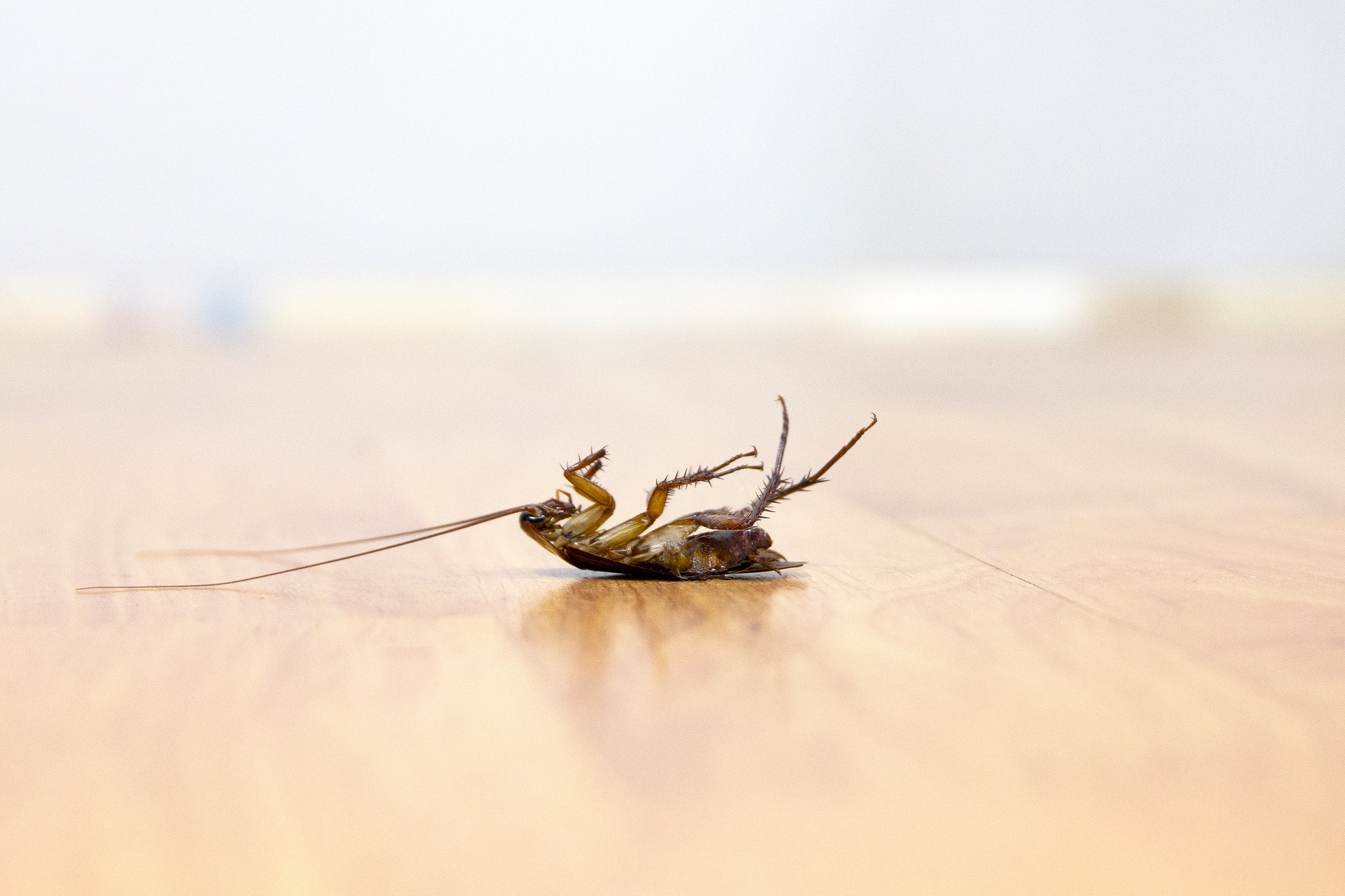
Why Pest Activity Can Return Even When the First Treatment Works
A noticeable reduction in pest activity does not always mean the conditions behind an infestation have been resolved. An initial treatment may eliminate exposed insects or rodents while hidden nesting areas, entry points, moisture sources, or food supplies remain accessible. For property owners seeking pest control in Fort Worth TX, understanding these underlying conditions helps explain why effective treatment often involves more than eliminating the pests visible during the first visit. A professional pest control service from Buzz Kill Pest Control can address an active problem while helping identify factors that may allow it to continue.
Hidden Food, Water, and Shelter Sources
Pests need suitable access to food, water, and shelter. Even after an initial treatment reduces an established population, these resources can support surviving pests or attract new ones. Crumbs beneath appliances, uncovered pet food, overflowing rubbish, leaking plumbing, and cluttered storage areas can create favorable conditions for continued pest activity. In North Texas, outdoor conditions around a property can also influence which pests approach a building.
A pest control expert therefore considers the environment surrounding the infestation, not just the room where pests were first noticed. For example, German roaches may remain active around warm appliances, plumbing voids, and areas where food residue accumulates. Carpenter ants may be associated with damp or deteriorating Wood, while rodent infestations can persist when accessible food and sheltered nesting locations remain undisturbed. Identifying these resources helps explain why pest problems sometimes continue after visible activity declines.
Why Pest Identification and Monitoring Matter

Different pests require different management methods, so recurring activity should not automatically be treated as the same infestation. A few ants near a window, German roaches around a kitchen appliance, and rodents leaving signs in an attic involve different behaviors and likely access routes. Correct identification helps determine whether the original treatment targeted the right pest and whether additional action is appropriate.
Monitoring provides a clearer picture than occasional sightings alone. A follow-up visit may involve checking previously affected areas, reviewing traps or monitoring devices, looking for fresh droppings or insect activity, and comparing findings with the initial inspection. Changes in the number, location, or timing of sightings can help distinguish a declining population from continued activity. The U.S. Environmental Protection Agency explains this inspection, identification, monitoring, prevention, and evaluation approach in its guide to Integrated Pest Management principles.
Do You Want Reliable Pest Control Services?
Contact Buzz Kill Pest Control for professional pest control services.
Entry Points and Concealed Routes
A treatment can reduce an existing population without closing the routes pests use to enter a building. Small gaps around pipes, utility lines, doors, windows, foundation joints, and damaged exterior materials can provide access. Rodents may exploit openings that are easy to overlook, while insects can travel through narrow cracks and concealed spaces. Repeated sightings near the same wall, cabinet, or service opening may help locate a possible route.
Professionals may also examine attached structures, garages, rooflines, and vegetation close to the building. These areas can connect outdoor pest populations with sheltered indoor spaces. For rodent control, exclusion measures may include appropriate repairs and the use of materials such as copper wool in suitable openings. However, the correct approach depends on the location, construction material, and pest involved. Sealing work should not obstruct drainage, ventilation, or access to essential utilities.
Hidden Colonies, Nests, and Life-Cycle Stages
Some infestations are difficult to resolve because pests occupy areas that a surface treatment does not reach. Ant colonies, for example, may extend beyond the location where workers are seen searching for food. Treating visible ants without addressing the colony or the conditions supporting it can leave the larger ant population active. Targeted ant control services may therefore require identifying trails, nesting locations, and the species involved.
Subterranean termites present a different challenge because their colonies are generally located in soil or other concealed environments. Termite activity inside a structure may represent only part of a much larger infestation. Appropriate termite control services depend on accurate identification, inspection findings, and the property’s construction conditions. A termite elimination strategy may involve targeted treatment or a suitable baiting approach, depending on the situation.
Life cycles also influence the timing of control. Eggs, immature insects, and hidden reproductive stages may not respond to every treatment in the same way as exposed adults. Bed bug bites, for instance, can continue to be reported after an initial intervention if eggs hatch or bugs remain in protected locations. Follow-up monitoring helps determine whether the remaining activity represents an expected part of the treatment process or evidence that the original plan needs adjustment.
Moisture, Landscaping, and Outdoor Conditions
Moisture is one environmental condition that can make a property more attractive to certain pests. Leaking faucets, poorly draining areas, damp crawl spaces, clogged gutters, and standing water can support pest activity even when indoor treatment has been successful. Water-holding containers and other suitable breeding locations particularly influence mosquito populations. Mosquito control may therefore involve checking the outdoor environment and considering mosquito traps or other appropriate control methods.
Landscaping can facilitate pest access when vegetation, mulch, stored materials, or branches create sheltered routes near a building. Lawn care practices may also influence outdoor conditions, especially where irrigation leaves areas persistently damp. These factors do not automatically cause an infestation, but they can make the surrounding property more conducive to pest activity. Preventive measures should address the specific conditions found rather than rely on broad assumptions about the yard.
When the Original Treatment Plan Needs Adjustment
A treatment plan should reflect the pest species, the extent of the infestation, property conditions, and monitoring results. If pest activity continues in a previously treated area, the cause may be an untreated nesting site, a new entry point, an unsuitable treatment placement, or unchanged environmental conditions. Simply repeating the same application without investigating the reason for continued activity may not resolve the underlying problem.
A variety of strategies may be appropriate, including targeted treatments, sanitation improvements, exclusion, monitoring, and changes to moisture or storage conditions. Organic options may be considered where suitable, but the term does not automatically mean a product is risk-free or appropriate for every infestation. Product selection and application should account for the pest, location, label directions, occupants, pets, and surrounding environment. Residential services and commercial services may also involve different building layouts, occupancy patterns, and operational needs, making the property’s actual conditions central to the decision.
Choosing a Provider for Ongoing Pest Management
Persistent infestations often require clear communication between the property owner and the pest control company. A provider should be able to explain what was identified, what the treatment is intended to address, which conditions could contribute to recurring activity, and what findings would justify a change in approach. Customers can also ask about technician licensing, relevant qualifications such as associate certified entomologists, and whether staff screening procedures include background checks or drug testing. These are questions to verify directly, not assumptions about any particular company.
Service options may include general pest services, customized extermination plans, or a long-term protection plan, as appropriate for the property and pest pressure. Terms such as initial setup visit, free consultation, free quote, and follow-up visit should be clarified before service so customers understand what is included. For commercial properties, wood-destroying organism reports or a specialized treatment service may be relevant when the inspection and property requirements call for them. Customer service, transparent communication, payment processing, and customer satisfaction also contribute to a straightforward service experience.
A More Complete Response to Recurring Pest Activity
An initial reduction in pest activity is encouraging, but lasting pest management depends on understanding what allowed the infestation to develop and what could support its return. Hidden food and moisture, concealed nesting areas, structural openings, and pest life cycles can all influence results. Property owners in Fort Worth, Keller, Southlake, and the wider North Texas area benefit from focusing on the conditions that drive the activity rather than judging success solely by the number of pests seen immediately after treatment.
Buzz Kill Pest Control provides pest control in Fort Worth TX for property owners seeking help with pest problems. A clear discussion of the affected areas, previous treatment, and any new signs of activity can help determine the next appropriate step.
Do You Want Reliable Pest Control Services?
Contact Buzz Kill Pest Control for professional pest control services.